
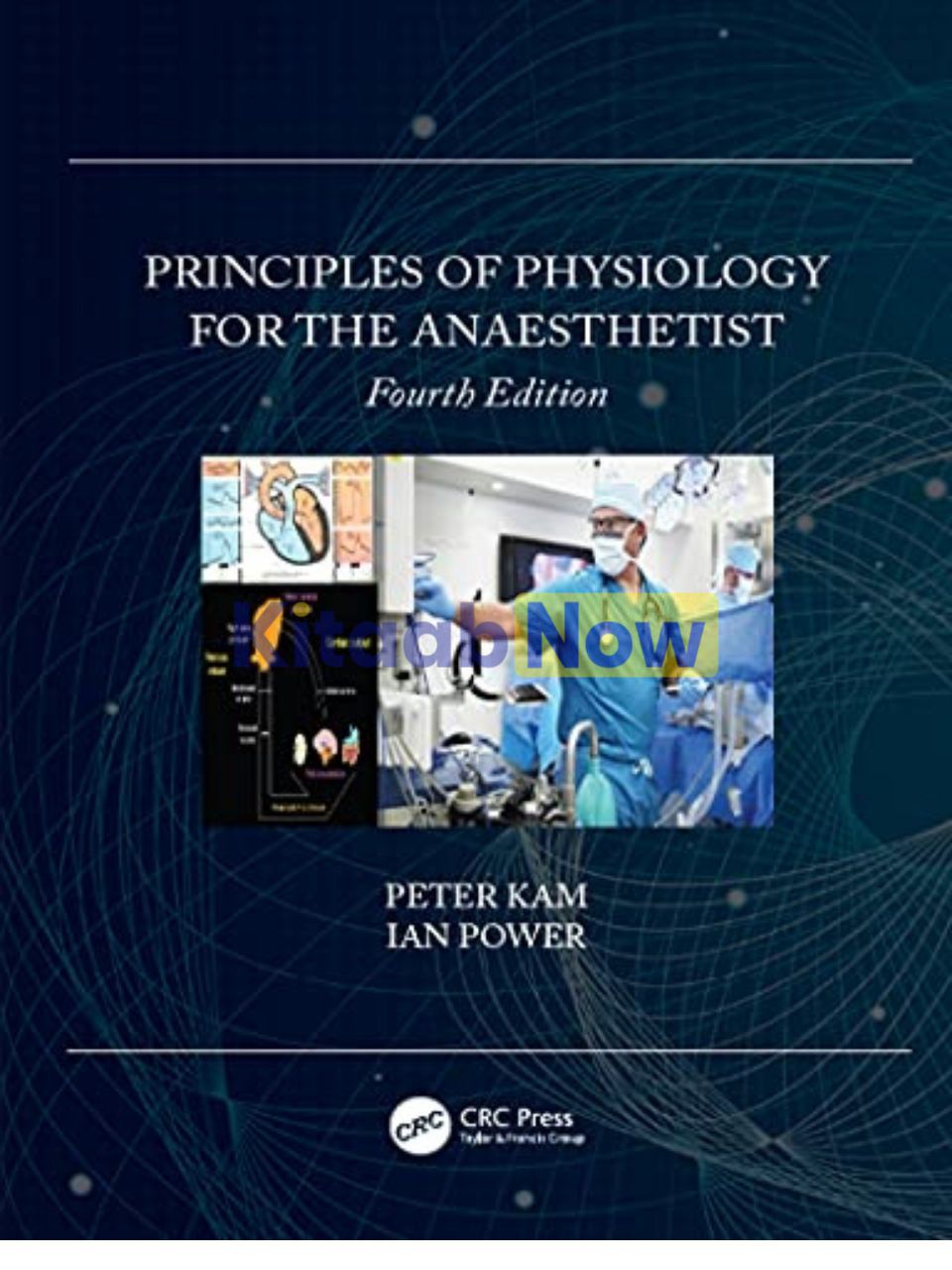
Principles of Physiology for the Anaesthetist (4th Edition)
- Authors: Peter Kam, Ian Power
- ISBN: 9780367202293
- Publisher: CRC Press
- Edition: 4th
- Publication Date: September 23, 2020
- Format: Paperback – 511 pages
- Language: English
Out of stock
Description
This book provides readers with an anaesthesia-focused alternative to general physiology textbooks. The new edition has been reorganised with the trainee anaesthesist in mind, into shorter bite-sized chapters ideal for exam revision. The content includes the physiology of all major organ systems, with specific emphasis on the nervous, respiratory, and cardiovascular systems as well as special sections on pain, aging, specific environments and obesity. Alongside the learning objectives, reflection points and a handy summary of physiological equations and tables, there is greater emphasis on clinical application in this fourth edition, with applied physiology included in almost every section.
Table of Contents
- Preface to the first edition
- Preface to the second edition
- Preface to the third edition
- Preface to fourth edition
- Acknowledgements
- Authors
- Contributors
- Section One: Basic Cell Physiology
- Cell Components and Function
- Physiology of Excitable Cells
- Neurotransmitters and Receptors, Ion Channels, G Proteins and Second Messengers
- Section Two: Physiology of the Nervous System
- Neuronal Function
- Blood–Brain Barrier and Cerebrospinal Fluid (CSF)
- Cerebral Circulation
- Spinal Cord: Anatomical and Physiological Features
- Sensory System
- Motor Function and Control: Descending Tracts
- Autonomic Nervous System
- Consciousness, EEG, Sleep and Emotions
- Section Three: Muscle Physiology
- Striated Muscles: Skeletal and Cardiac Muscles
- Muscle Spindles, Golgi Tendon Organs and Spinal Reflexes
- Smooth Muscle
- Section Four: Respiratory Physiology
- Functions of the Respiratory System
- Mechanical Properties of the Lungs
- Gas Exchange in the Lungs
- Carriage of Oxygen in Blood
- Carbon Dioxide Carriage in Blood
- Pulmonary Circulation
- Control of Ventilation
- Applied Respiratory Physiology
- Section Five: Cardiovascular Physiology
- Functions of the Cardiovascular System
- Electrical Properties of the Heart
- Mechanical Events of the Cardiac Cycle
- Pressure–Volume Loop of the Left Ventricle
- Physical Factors Governing Blood Flow Through Vessels
- The Systemic Circulation
- Microcirculation
- Venous Return and Vascular Function
- Regulation of Arterial Blood Pressure
- Integrated Cardiovascular Responses
- Section Six: Gastrointestinal Physiology
- Saliva, Swallowing, and Lower Oesophageal Sphincter
- Stomach: Gastric Secretions, Motility, Digestion and Vomiting
- The Small Intestine: Secretions, Digestion and Motility
- The Large Intestine
- Section Seven: Liver Physiology
- Functions of the Liver
- Liver Blood Flow
- Liver Function Tests and Physiological Features of Liver Failure
- Section Eight: Renal Physiology
- Functions of the Kidneys and Functional Anatomy
- Renal Blood Flow
- Glomerular Filtration
- Tubular Function
- The Loop of Henle and Production of Concentrated Urine: Counter-Current Mechanisms of the Kidney
- Overview of Renal Control of Acid–Base Balance
- Applied Physiology: Renal Failure
- Section Nine: Acid–Base Physiology
- Basic Concepts of Acid–Base Physiology
- Compensatory Mechanisms in Acid–Base Disorders
- Clinical Aspects of Acid–Base Control
- Anion Gap and Stewart’s Strong Ion Difference
- Section Ten: Physiology of Blood
- Cellular Components of Blood
- Plasma: The Non-Cellular Components of Blood
- Haemostasis
- Blood Transfusion
- Section Eleven: Physiology of the Immune System
- Immune System and Innate Immunity
- Acquired Immunity
- Cytokines
- Hypersensitivity
- Section Twelve: Endocrine Physiology
- General Aspects of Endocrine Physiology
- Pituitary Gland
- Hormones of the Pancreas
- Thyroid Hormones and Calcium Metabolism
- Hormones of the Adrenal Gland
- Erythropoietin, Atrial Natriuretic Peptide and Sex Hormones
- Section Thirteen: Metabolism, Nutrition, Exercise and Temperature Regulation
- Metabolism
- Nutrition
- Exercise Physiology
- Temperature Regulation
- Section Fourteen: Physiology of Pain
- Peripheral Mechanisms of Pain
- Central Modulation of Pain
- Pain Sensitization
- Section Fifteen: Physiology of Pregnancy, Placenta, Neonate, Ageing and Obesity
- Physiology of Pregnancy
- Physiology of the Placenta
- Physiology of the Neonate
- Physiology of Ageing
- Physiology of Obesity
- Section Sixteen: Special Environments
- Physiology Related to Special Environments
- Further reading
- Index
Author Biography
Peter Kam MBBS, MD, FRCA, FANCZA, FFARCSI, FHKCA (Hon)
Nuffield Professor of Anaesthetics, Sydney Medical School, University of Sydney
Royal Prince Alfred Hospital
Camperdown, Australia
Ian Power BSc (Hon), MD, FRCA, FFPMANZCA, FANZCA, FRCSEd, FRCP Edin, FFPFRCA
Emeritus Professor at the University of Edinburgh, Edinburgh, United Kingdom
Additional information
| Weight | 0.454 kg |
|---|
Only logged in customers who have purchased this product may leave a review.
Related Products


Reviews
There are no reviews yet.