
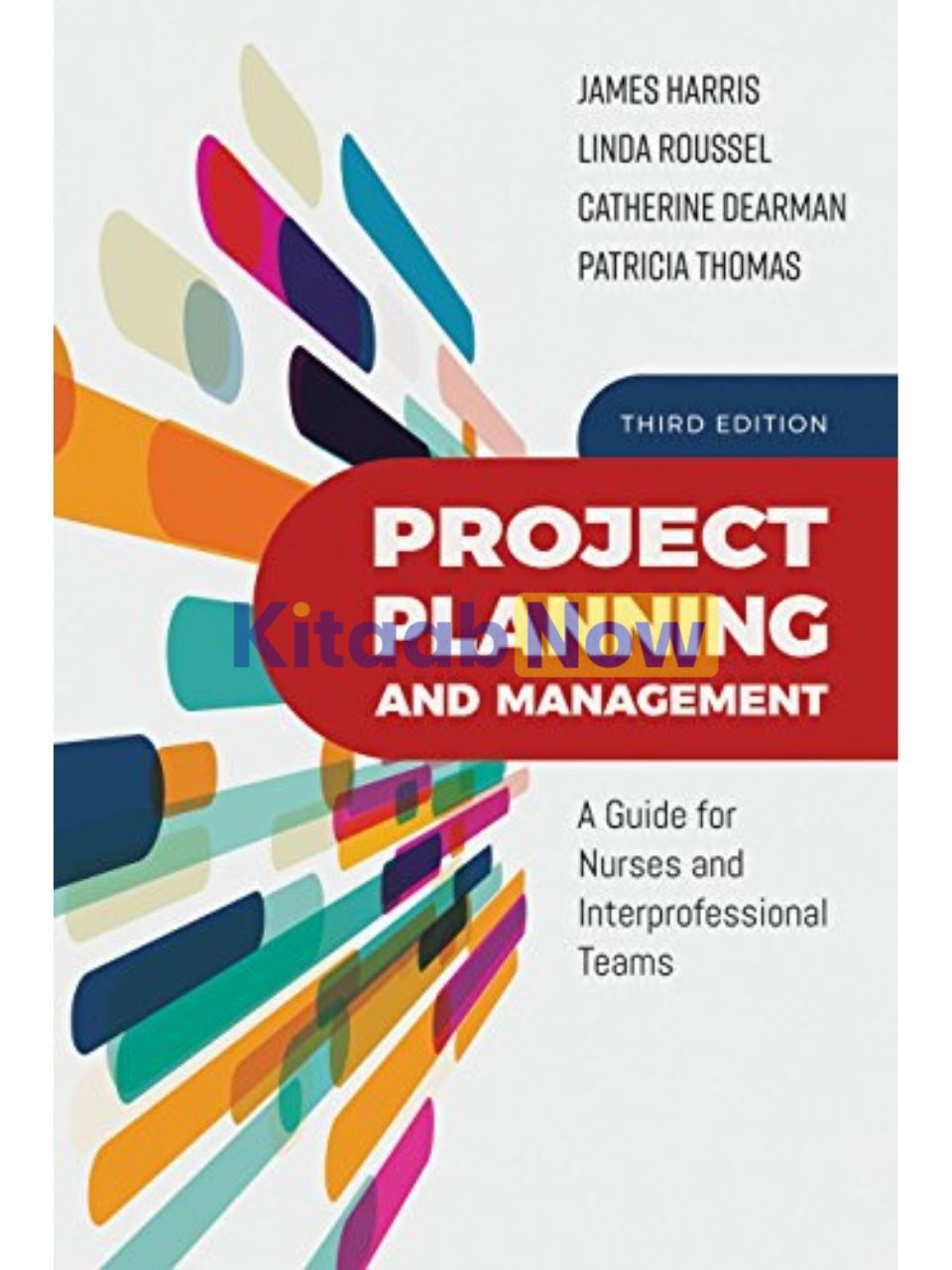
Project Planning And Management (3rd Revised Edition)
- Authors: James L. Harris, Linda A. Roussel, Catherine Dearman, Patricia Thomas
- ISBN: 9781284147056
- Publisher: Jones and Bartlett Publishers
- Edition: 3rd
- Publication Date: September 11, 2018
- Format: Paperback – 254 pages
- Language: English
Description
Project Planning and Management: A Guide for Nurses and Interprofessional Teams, Third Edition serves as a primary resource for students developing and implementing clinical projects as a requirement for course completion.
Table of Contents
- Preface
- Acknowedgments
- Contributors
- Chapter 1 Key Foundations of Successful Project Planning and Management
- Introduction
- Projects, Project Plans, and Project Management Defined
- Prioritizing Needs That Support Project Plans and Programs
- The Project Budget
- Value-Based Project Attributes for Project Sustainment and Management
- Skills and Tools as Contributors to Meaningful Projects
- Managing Projects and Teams in a Virtual Environment
- Summary
- Chapter 2 Influences and Determinants of Quality Improvement Projects
- Introduction
- Quality Improvement Projects Versus Research
- Historical Influences, Determinants, and Unintended Consequences Associated with Quality Improvement Projects
- Importance of Legislation, Health Policy, and Economics When Designing Quality Improvement Projects
- Significance of Organizational Culture, Social and Environmental Factors, and Values and Norms to Quality Improvement Projects
- Tools and Methods Supporting Evidence-Based Quality Improvement Projects
- Summary
- Chapter 3 Implementation Science and Team Science: The Value for Projects
- Introduction
- Promoting Action on Research Implementation in Health Sciences (PARiHS)
- Implications for Project Planning and Management
- Summary
- Chapter 4 Differentiating Quality Improvement Projects and Quality Improvement Research
- Introduction
- Quality Improvement
- Quality Improvement as Systems and Processes
- Focus on Patients
- Focus on Being Part of the Team
- Focus on the Use of Data
- Quality Improvement Programs and Quality Improvement Research
- Quality Improvement Research
- Quality Improvement and Beyond
- Summary
- Chapter 5 Literature Synthesis and Organizational Alignment to Project Interventions and Implementation
- Introduction
- Literature Synthesis and Best Available Evidence
- Organization of Evidence
- Aligning Evidence with Project Interventions and Implementation
- Tools, Guidelines, and Techniques for Literature Synthesis and Project Alignment
- Summary
- Chapter 6 The Institutional Review Board Process
- Introduction
- Historical Perspective Related to Protection of Human Subjects
- The History of the Human-Subjects Protection System
- Definition of Research
- Boundaries Between Practice and Research
- Applying the Ethical Principles to Both Research and Quality Improvement
- Informed Consent
- Institutional Review Board Processes and Procedures
- Inclusion/Exclusion Criteria
- Levels of Institutional Review Board Reviews
- Multiple Institutional Review Boards
- Summary
- Chapter 7 Synergistic Interprofessional Teams: Essential Drivers of Person-Centered Care
- Introduction
- Types of Team Composition
- Teams Versus Groups
- Individual Versus Team Performance
- Team Structures
- Stages of Team Development
- Building an Effective Team
- Barriers to Team Effectiveness
- Communication Processes Supporting Teamwork
- Teamwork Strategies
- TeamSTEPPs
- Synergy and Creativity
- Appreciative Inquiry
- Transformational Leadership
- Innovation
- Summary
- Chapter 8 Managing the Interprofessional Project Team
- Introduction
- Interprofessional Teams: Overview and Management
- A Common Language: A Driver for Interprofessional Project Team Success
- Coaching Interprofessional Project Teams
- Leading Interprofessional Project Teams Based on Needs and Mandates
- Measuring Interprofessional Project Leader Effectiveness
- Summary
- Chapter 9 Making the Case for a Project: Needs Assessment
- Introduction
- Purpose of Needs Assessment
- Population
- Methods and Instruments
- Human-Subject Protections and Institutional Review Board Requirements
- Instruments
- Data Collection
- Analysis and Use of Findings
- Summary
- Chapter 10 Using Findings from the Clinical Needs Assessment to Develop, Implement, and Manage Sustainable Projects
- Introduction
- Project Life Cycle: Role of the Clinical Needs Assessment
- Planning for Implementation
- Developing a Project Charter
- Model for Improvement
- Micro-, Meso-, and Macro-Collaboration
- Communicate, Communicate, and Communicate
- Change Management
- Resistance to Change Is a Reality—Embrace It
- Post-Project Monitoring and Evaluation
- Project Implementation Challenges and Risks
- Summary
- Chapter 11 Role of Information Technology in Project Planning and Management
- Introduction
- Information Technology as an Enabler for Clinical Project Success
- Stakeholder and Partner Roles in Information Technology
- Informatics Core Competencies and Skill Sets
- The Value of Linking Projects to Information Systems
- Data Integrity, Security, Human Protection, and Use
- Summary
- Chapter 12 Developing Metrics That Support Project Plans, Interventions, and Programs
- Introduction
- Organizational Culture and Project Management
- Use of Evidence-Based Practice: An Intertwined Element
- The Cost/Quality Dance
- Cost Avoidance, Cost-Effectiveness, and Cost Benefit
- Selecting the Right Variables to Tell Your Story
- Accountability
- Fundamental Types of Measures
- Selecting the Right Data
- Data Management Plan
- Summary
- Chapter 13 Measuring the Value of Projects Within Organizations, Healthcare Systems, and Globally
- Introduction
- How Value Is Defined in Health Care
- Measurement
- Project Evaluation
- Steps in Program Evaluation
- Aligning Metrics with Project Aims
- Case Study Application
- Principles of Project Evaluation Methods
- Information Dissemination: Roles and Responsibilities for Communication
- Tools of the Trade
- Summary
- Chapter 14 Disseminating Results of Meaningful Projects and Their Management
- Introduction
- Professional Presentations
- Role of Appreciative Inquiry in Presentations
- Publications
- Other Types of Publications
- Social and Informal Presentations
- Pitfalls in Dissemination
- Summary
- Index
Authors Biography
Dr. James L. Harris is a Professor at the University of South Alabama where he coordinates the Clinical Nurse Leader program. As an innovative leader, Dr. Harris has provided contemporary guidance and mentorship in both practice and academia. Dr. Harris is a Fellow in the American Academy of Nursing and a CCNE visitor.
Linda A. Roussel, PhD, RN, NEA-BC, CNL, FAAN is a professor at the University of TexasHouston, Cizik School of Nursing. She is an author and editor of several textbooksfocused on nursing administration and management, the clinical nurse leader, project management,and evidence-based practice. She is known for her experience with academic-practice partnershipsand curricular innovations including the development of the clinical nurse leader and Doctor ofNursing practice programs. An innovative academician, she regularly presents at national and inter-national conferences and consults with nurse leaders in practice and academe. She is a fellow in theAmerican Academy of Nursing holds board certification in advanced nursing administrationand as a clinical nurse leader.
Dr. Patricia L. Thomas is Associate Dean, Faculty Affairs and Associate Professor in the Wayne State University Cohn College of Nursing. An innovative and inspiring leader, Dr. Thomas has extensive leadership experience in both practice and academe. She has earned state and national recognition as a nurse leader, educator, and mentor. Dr. Thomas is a Fellow in the American Academy of Nursing and a Distinguished Fellow in the National Academies of Practice. She also serves as an ANCC Magnet appraiser and a CCNE visitor.
Additional information
| Weight | 0.369 kg |
|---|
Only logged in customers who have purchased this product may leave a review.
Related Products


Reviews
There are no reviews yet.