
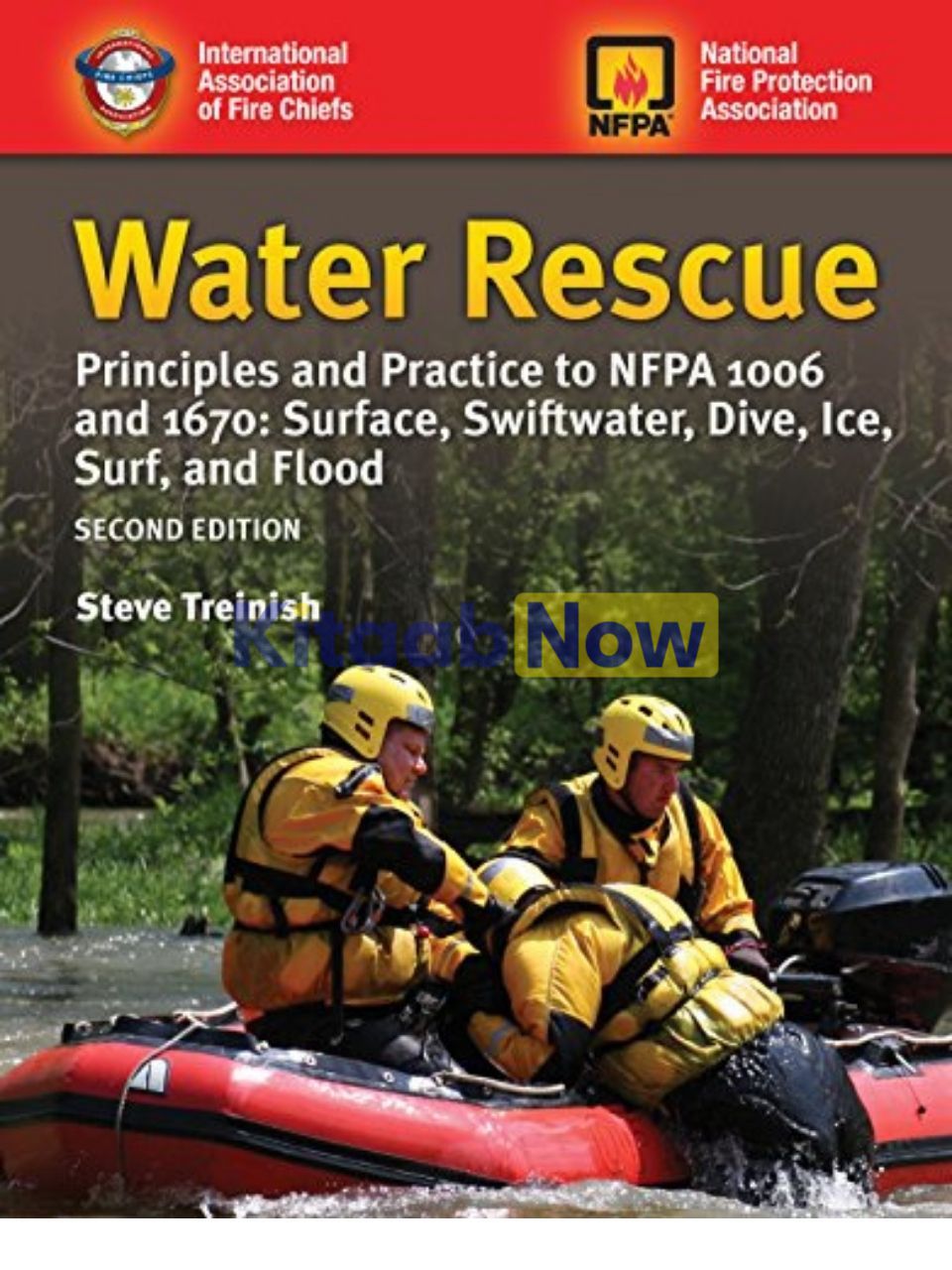
Water Rescue: Principles And Practice To NFPA 1006 And 1670: Surface, Swiftwater, Dive, Ice, Surf, And Flood (2nd Revised Edition)
- Author: Steve Treinish
- ISBN: 9781284042054
- Publisher: Jones and Bartlett Publishers
- Edition: 2nd
- Publication Date: December 05, 2017
- Format: Hardback – 518 pages
- Language: English
Description
Water Rescue: Principles and Practice to NFPA 1006 and 1670: Surface, Swiftwater, Dive, Ice, Surf, and Flood, Second Edition Includes Navigate 2 Advantage is a complete resource for water rescue personnel and their organizations. All six sub-disciplines are broken down into Awareness, Operations and Technician level chapters to better help you and your organization train to the levels your organization is ready to deliver in your response area. Based on the 2017 Editions of NFPA 1006: Standard for Technical Rescue Personnel Professional Qualifications and NFPA 1670: Standard on Operations and Training for Technical Search and Rescue Incidents, this single textbook is the most current and comprehensive water rescue textbook available.
Key Features
- Brief Contents
- Contents
- Skill Drills
- Acknowledgments
- New for the Second Edition
- Foreword
- CHAPTER 1 Understanding and Managing Water Rescue Incidents
- Introduction
- Rescue Levels
- NFPA Documents and Water Rescue
- Incident Size-Up
- Recognizing the Hazards
- Scene Safety
- Rescue Versus Recovery
- Additional Resources
- Typing Teams
- Getting the Needed Help
- Incident Command System
- Developing the Incident Action Plan
- Large-Scale IAPs (Written)
- Medium-Scale IAPs (Verbal)
- Smaller-Scale IAPs (Mental)
- Scene Security
- Scene Tape
- Vehicle Blockades
- Law Enforcement
- Public Address Use
- Active and Passive Search Measures
- Witnesses on Scene
- No Witnesses
- Information Documentation
- Personal Protective Equipment
- Thermal Protection
- Contaminated Water Protection
- Personal Flotation Devices
- Choosing a Rescue PFD
- Water Rescue Helmets
- Gloves
- PPE Use
- Operational Support Positions
- Boarding and Exiting Watercraft
- Spotters
- Lighting
- Rescuer EMS and Monitoring
- Victim EMS and Triage
- Helicopter Support
- Public Information Officer
- Accountability Officer
- Other Agencies
- Incident Safety Officers at Water Rescues
- Normalization of Deviance
- Lack of PPE by Rescuers
- Incident Termination
- CHAPTER 2 Watercraft Rescue Operations
- Introduction
- Personal Protective Equipment Related to Watercraft Use
- Rescue Helmets
- Wetsuits
- Drysuits
- Eye Protection
- Watercraft Terminology
- Watercraft Types
- Capacity Plates
- Inflatables
- Johnboats
- Rigid-Hull Boats
- Flip Lines
- Additional Watercraft
- Propulsion Methods
- Human-Powered Propulsion
- Motor Power
- Motor Characteristics and Minor Maintenance
- Aerated Water
- Rescue Boat Load-Out
- Safety Gear
- Essential Gear
- Rescue Gear
- Retrieval Gear
- In-Water Extrications
- Extrication of Injured, Unconscious, or Deceased Victims
- Miscellaneous Tools
- Towing Operations
- Trailer Makeup
- Trailering Skills
- Hand Launching
- Docking
- Operator Support
- Hazardous Conditions
- Start the Motor First!
- Piloting the Boat
- No-Wake Speed
- Steering
- Tilt and Trim
- Navigation
- Night Operations
- Anchoring
- Wind and Current Effects
- Deploying and Retrieving Rescuers
- Crew Overboard
- Crewmember in the Water
- Crewmembers Left on Board
- Maintaining Watercraft and Equipment After Their Use
- Cleaning
- Trailer
- Ancillary Equipment
- In-Water Storage
- On-Trailer Storage
- CHAPTER 3 Watercraft Rescue Technician
- Introduction
- Making the Watercraft Operational
- Deploying the Boat
- Crew Communication
- Launching from a Trailer
- Launching from a Dock
- Piloting the Boat
- No-Wake Speed
- Tilt and Trim
- Electronic Navigation
- Anchoring
- Crew Resource Management
- Advanced Electronics
- Radar
- Weather Information
- Night Operations
- Rules of the Waterways
- Right of Way
- Towing Operations
- Wind and Current Effects
- Windy Conditions
- Watercraft Operation in Current
- Approaches in Moving Water
- Watercraft Operation in Surf Conditions
- Deploying and Retrieving Rescuers
- Deploying Rescuers
- Retrieving Rescuers
- Shutting Down and Securing Watercraft
- CHAPTER 4 Surface Water Rescue Operations
- Introduction
- Preplanning
- Operations Rescuer Roles
- Weather Forecasts
- Scene Access
- Rescuer Access
- Heavy Use Clues
- Rescuer Equipment
- Personal Flotation Devices
- Water Rescue Helmets
- Drysuits
- Emergency Signaling Equipment
- Team Communication
- Rescuer Communication
- Scene Size-Up
- Recognizing the Hazards
- Interviewing Witnesses
- Maps
- Survivability Profiles
- Additional Resources
- Scene Operations and Planning
- Victim in Sight
- Verbal Self-Rescue
- Reaching Out for Rescue
- Reaching Underwater
- Throw Rescue
- Ring Buoys
- Watercraft in Surface Rescue
- Helicopter Use
- Self-Rescue
- Staying Afloat
- Emergency Swimming
- Determining the Best Destination for Self-Rescue
- Extricating Victims (and Rescuers)
- Removal Up Banks or Slopes
- Basic Rope Systems
- Common Positions
- Common Commands
- Safety Checks
- Rope Belays
- Simple Pulls
- Removing the Rescuers
- Aerial Extrication
- Terminating an Incident
- Termination Defined
- Safety at Termination
- Gear Retrieval, Decontamination, and Inspection
- Documentation
- Critical Stress Observation
- Postincident Debriefing
- Postincident Analysis
- CHAPTER 5 Surface Water Rescue Technician
- Introduction
- Swim Testing
- Watermanship Skills
- Yearly Requalification Testing
- Submerged Victims
- Human Chains
- Swimming Rescue
- Getting to the Water
- Getting in the Water
- Approaching In-Water Victims
- Other Rescue Tools
- Swim Fins
- Swim Mask and Snorkel
- Rescue Buoys
- Rescue Tubes
- Swim Boards
- Tethered Operations
- Speed of Retrieval
- Choice of Rope
- Entanglement Concerns
- Medical Treatment
- Cervical Spine Injuries
- In-Water Aids
- Backboard Use
- Stokes-Type Litters
- Supervisory Skills
- Pre-entry Briefing
- Safety
- Accountability
- Postincident Briefing
- CHAPTER 6 Swiftwater Rescue Operations
- Introduction
- Training Conditions
- Realism
- Dam Releases
- Seasonal Training
- Training Facilities
- Swiftwater Savvy
- Current Speeds
- Current Forces
- Search and Assessment
- Swiftwater PPE
- Personal Flotation Devices
- Swiftwater Helmets
- Thermal Protection
- Cutting Tools
- Whistle
- Swiftwater Features
- River Flows
- River Directions
- Eddies
- Strainers
- Pillows
- Upstream and Downstream Vs
- Hydraulics
- Standing Waves
- Defensive Swimming
- Defensive Swim Position
- Managing Strainers
- Escaping Hydraulics
- Swiftwater Rescue
- Spotters and Safeties
- Victim Location
- Ropes and Rope Systems
- Water Rescue Rope
- Throw Rescue
- Droop Lines
- Taglines
- Using Simple Rope Systems
- More Complex Rope Systems
- Row-Based Rescues
- Terminating a Swiftwater Incident
- CHAPTER 7 Swiftwater Rescue Technician
- Introduction
- Additional Personal Protective Equipment for Swiftwater Entry
- Drysuits or Wetsuits
- Swim Masks
- Personal Throw Bags and Tethers
- Tether Leashes (Cow Tails)
- Cutting Tools
- Walking Poles
- Swiftwater Entry
- Wading or Walking Rescues
- Additional Equipment for Swimming Rescue
- Swim Fins
- Swim Boards
- Swiftwater Swimming
- Leaping Water Entry
- Ferry Lines
- River Swimming
- Lowering Rescuers
- Live Bait Rescues
- Rescue from Watercraft
- Exiting a Boat
- Entering a Boat
- CHAPTER 8 Flood Rescue
- Introduction
- Prerequisites
- Supporting Technicians
- Types of Floods
- Flash Floods
- River Floods
- Storm Surge
- Condition Assessment and Forecasting
- Travel Concerns
- Water and Air Temperatures
- Personal Protective Equipment
- Utility Hazards
- Electrical Hazards
- Carbon Monoxide Dangers
- Contamination
- Recommended Vaccinations
- Gross Decontamination
- Washing Hands
- Gear Contamination
- Differential Pressure
- Avoiding Delta P
- High Probability Locations
- Flash Floods
- Larger Floods
- Aircraft Use
- Watercraft Selection and Use
- Navigation
- Security
- Rescue Operations Using Watercraft
- Technician-Level Entry Rescue
- Wading or Walking
- Interior Structural Searches
- Terminating a Floodwater Incident
- Accountability
- Gear and PPE
- Rescuer Wellness
- CHAPTER 9 Ice Rescue Operations
- Introduction
- Types and Formations of Ice
- Frazil Ice
- Clear Ice
- Rotten Ice
- River Ice
- Drift Ice
- Snow Ice
- Environmental Effects on Ice
- Melting Ice
- Wind and Wave Action
- Other Factors
- Environmental Factors in Ice Rescue
- Victim Considerations
- Hypothermia
- Multiple Victims
- Trapped Under Ice
- Moving Water
- Drifting Ice
- On-Scene Evidence
- Tools and Equipment of Ice Rescue
- Personal Flotation
- Ice Rescue Suits
- Ice Awls or Picks
- Emergency Self-Rescue
- Other Equipment and Techniques
- Reach Tools
- Hose Inflation Systems
- Two-Line Tethers
- Throw Equipment
- Line Guns
- Row Rescues
- Boat Types
- Operations-Level Support
- Tending Tether Lines
- Night Operations
- Hypothermic Victim Care
- Terminating an Ice Rescue Incident
- CHAPTER 10 Ice Rescue Technician
- Introduction
- Operations on or Around Ice
- Rapid Intervention Crews
- Personal Flotation Devices
- Helmet Use
- Tether Lines
- Moving on the Ice Surface
- How to Get from Point A to Point B
- Reaching the Victim
- Initial Contact
- Attaching the Victim to a Tether Line
- Ring Buoy Use
- Backboard Use
- Using Rescue Sleds
- Long-Distance Travel on Ice
- 2:1 Removal System
- Multiple Victims
- Auto Extrication
- Realistic Training
- Weather-Related Factors
- Animal Rescue
- CHAPTER 11 Surf Rescue Operations
- Introduction
- The Surf Environment
- Site Surveys
- Rescuer Personal Protective Equipment
- Swim Fins
- Rescue Flotation Devices
- Rescuer Fitness
- Open Water Makeup
- Surf Line
- Wave Makeup
- Wave Action
- Wave Types
- Tides
- Storm Surge
- Other Surf Features
- Upwash and Downwash
- Rip Currents
- Rip Tides
- Longshore Currents
- Inshore Holes
- Rocks and Vegetation
- Weather Lighting Issues
- Surf Rescue and Watercraft
- Communication
- Boat Deployment
- Keep It Pointed Offshore
- Motorized Rescue Watercraft
- Larger Boats
- Smaller Boats
- Nonmotorized Rescue Watercraft
- Rescue Boards
- Paddling
- Victim Management
- Conscious Victims
- Unconscious Victims
- Technician Support
- Terminating a Surf Rescue Incident
- CHAPTER 12 Surf Rescue Technician
- Introduction
- Swimming Ability
- Technician Tools
- Rescue Flotation Devices
- Surf Fins
- Choosing an Entry Point
- Entry Using RFDs
- Porpoising
- Rescue Swimming
- Using Rip Currents to Gain Speed
- Approaching Victims
- No Tool Rescue
- Submerged Victims
- Human Chains
- Free Diving
- Free Dive Gear
- Surface Searches
- Free Diving Concerns
- Underwater Recovery
- Offshore Communications
- Surf Extrication
- Inshore Removal
- Offshore Removal
- Surging Wave Areas
- Land Line Surf Rescue
- CHAPTER 13 Dive Equipment and Use
- Introduction
- Shore PPE
- Water Contamination and PPE
- Exposure Protection
- SCUBA Equipment
- Checklists
- SCUBA Cylinders
- Redundant Supplies
- Regulators
- Full-Face Masks
- Ambient Breathing Valves
- Manifold Blocks
- Submersible Pressure Gauges
- Dive Computers
- Body Harnesses
- Buoyancy Control Device or Vests
- Weight Belts or Harness Systems
- Recreational Masks, Fins, and Snorkels
- Cutting Tools and Punches
- CHAPTER 14 Dive Rescue Operations
- Introduction
- Victim Location and Starting Points
- Drowning Process
- Types of Drowning
- Scene Investigations
- Crime Scene Concerns
- Unwitnessed Drowning and Clues
- Active Searches
- Passive Searches
- Witnessed Drowning
- Sketching and Recording
- Dive Versus No Dive
- Dive Planning
- Dive Environments
- Dive Physiology
- Boyle’s Law
- Dressing a Diver
- Medical Checks
- Suiting Up
- Donning the SCUBA Equipment
- Minimum Reserve Pressure
- Hot Exit
- Staging
- Staging Location
- Dive Checklist
- Diver Deployment
- Diver Streamlining
- Water Entry and Exit
- Dive Signals
- Rope Tug Signals
- Electronic Voice Communications
- Search Patterns
- Search Pattern Selection
- Semi-Circle Sweep
- Parallel Shore Pattern (Walking the Dog)
- Jackstay/Running Weight Search
- Untended Patterns
- Boat-Based Patterns
- Monitoring the Diver
- Bubble Watching
- Gas Supply
- Rope Monitoring
- Diver Location
- Diver Distress
- Decompression Illness
- Type 1 Decompression Illness
- Type 2 Decompression Illness
- Arterial Gas Embolisms
- Decompression Illness Treatment
- Minimizing Decompression Illness Risk
- Retrieving the Diver
- Water Exits and Divers
- Watercraft Entry and Exit
- After-Dive Briefing and Reassignment
- Post-Dive Monitoring
- Diver Dehydration
- Other Physiological Issues
- Other Operations-Level Duties
- Diver Medical Monitor
- Accountability
- Equipment Specialist
- Family Liaison
- Public Information Officer
- Sonar and Remotely Operated Vehicle Operators
- Terminating a Dive Rescue Operation
- CHAPTER 15 Dive Rescue Technician
- Introduction
- Certification Levels
- Open Water Dive Certification
- Advanced Open Water Certification
- Rescue Diver Certification
- Public Safety Diving
- Team Positions
- Starting New Divers
- Swim and Skills Testing
- Dive Rescue PPE
- The First Training Dive, “Lights Out”
- Diver Rescue
- Entanglements
- Underwater Communication and Problem Management
- Out-of-Air Emergencies
- Medical Emergencies
- Dive Planning
- Depth and Time
- Search Pattern Selection
- Minimum Reserve Pressure
- Redundant Gas Supplies
- Surface Supplied Air
- Entry and Exit Points
- The Search
- Vision Beyond Sight
- During the Search
- Specialty Dives
- Night Dives
- Overhead Environment Diving
- Ice Dives
- Automobile Extrication
- Other Overhead Dives
- Decontamination
- Gross Decontamination
- Leading Dive Evolutions
- CHAPTER 16 Helicopter Rescue Support
- Introduction
- Before the Mission
- Helicopter Features
- Basic Helicopter Layout
- Helicopter Safety
- Helicopter Landing
- Location of the Landing Zone
- Approaching Helicopters
- One-Skid Landings
- Helicopter Lifting
- Weights and Balances
- Fixed Position Hoisting
- Fixed Line Lifting
- Rescuer Deployment
- Victim Attachments
- Basket-Type Equipment
- Emergency Flying Considerations
- Sterile Cockpit
- Crew Instruction
- HEED
- APPENDIX A Ropes and Knots in Water Rescue
- APPENDIX B An Extract from NFPA 1006, Standard for Technical Rescue Personnel Professional Qualifications, 2017 Edition
- APPENDIX C An Extract from NFPA 1670, Standard on Operations and Training for Technical Search and Rescue Incidents, 2017 Edition
- APPENDIX D NFPA 1006 and 1670 Correlation Guide
- GLOSSARY
- INDEX
Author Biography
Steve Treinish is a member of the Columbus, Ohio Fire Department where he is assigned to Ladder Company 2 and is the Lead Instructor for the Dive and Rescue Team. He is also a Captain on the Fairfield County Special Operations team where he leads the Dive Unit. He is an instructor trainer with the Public Safety Divers Association, Ohio certified Fire Instructor, and Lead Swiftwater Instructor for the Ohio Fire Academy. He also owns and operates Blackwater Water Rescue Systems, a company specializing in water rescue and public dive instruction and equipment.
Additional information
| Weight | 0.936 kg |
|---|
Only logged in customers who have purchased this product may leave a review.
Related Products





Reviews
There are no reviews yet.