
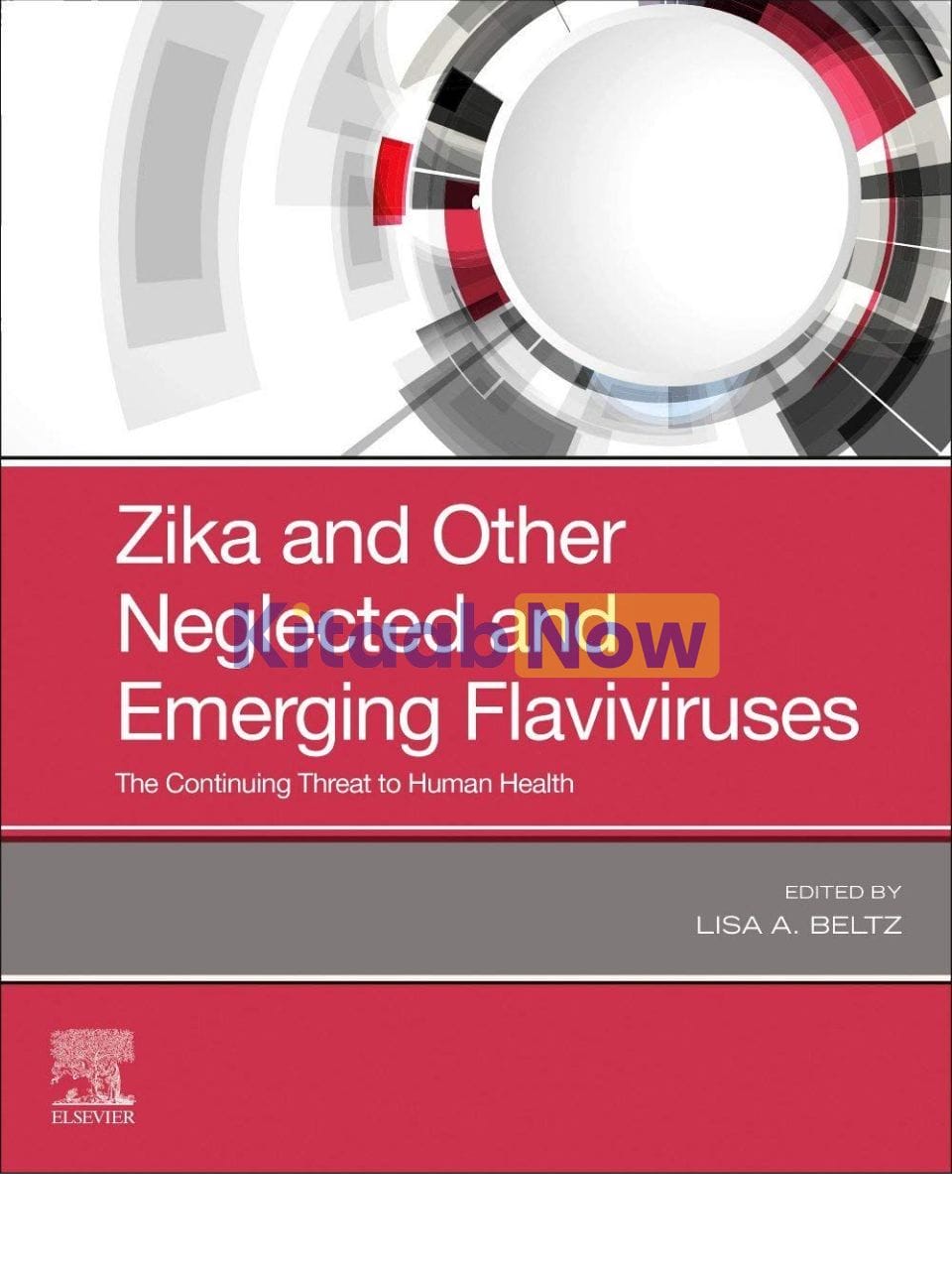
Zika and Other Neglected and Emerging Flaviviruses: The Continuing Threat To Human Health
- Author: Lisa A Beltz
- ISBN: 9780323825016
- Publisher: Elsevier Science Publishing
- Publication Date: March 08, 2021
- Format: Paperback – 212 pages
- Language: English
Description
Offering up-to-date coverage of familiar flaviviruses that are spreading into new regions or are causing increasingly severe disease, as well as viruses that are almost unknown in most developed nations, Zika and Other Neglected and Emerging Flaviviruses brings together information that allows for easy comparison of similarities and differences of this viral group in a single, convenient volume. Each chapter includes a brief Introduction, history, the diseases, the virus, the immune response, prevention or treatment, an extensive list of references, and a summary overview. The book concludes with a chapter tying together information about flaviviruses and other potential new microbial threats.
Key Features
- Covers familiar flaviviruses that are spreading into new regions or are causing increasingly severe disease (such as Zika, dengue and West Nile viruses), as well as lesser-knowns viruses such as tick-borne encephalitis virus, Powassan virus, Omsk hemorrhagic fever, and Murray Valley encephalitis virus.
- Allows health-related personnel to search for potential treatments and protective responses by examining what measure did or did not work with other, related flaviviruses.
- Helps readers understand how to prevent or contain newly emerging viral threats?a particularly timely topic regarding the global spread of COVID-19 and the potential of tick-borne encephalitis to rapidly spread and cause severe illness, panic, and disruption of economies.
- Consolidates today’s available information on this timely topic into a single, convenient resource.
Table of Contents
- Introduction
- Part 1: Mosquito-Borne Flaviviruses Section
- Flaviviruses Using Aedes Mosquitoes as Vectors
- Dengue Virus
- Zika Virus
- Section 2: Flaviviruses Using Culex Mosquitoes as Vectors
- West Nile Virus
- Kunjin Virus
- Usutu Virus
- Murray Valley Encephalitis Virus
- Section 3: Other Neglected Mosquito-Borne Flaviviruses
- Ilhéus, Bussuquara, Rocio, Kokobera, Stratford, and Wesselsbron Viruses
- Flaviviruses Using Aedes Mosquitoes as Vectors
- Part 2: Tick-Borne FLAVIViruses
- Tick-Borne Encephalitis Virus
- Louping Ill Virus
- Powassan Virus
- Alkhurma and Kyasanur Forest Viruses
- Omsk Hemorrhagic Fever Virus
- Part 3: CONCLUSIONS
- CONCLUSIONS
Author Biography
By Lisa A. Beltz, University of Northern Iowa, USA
Additional information
| Weight | 1.047 kg |
|---|
Only logged in customers who have purchased this product may leave a review.
Related Products






Reviews
There are no reviews yet.