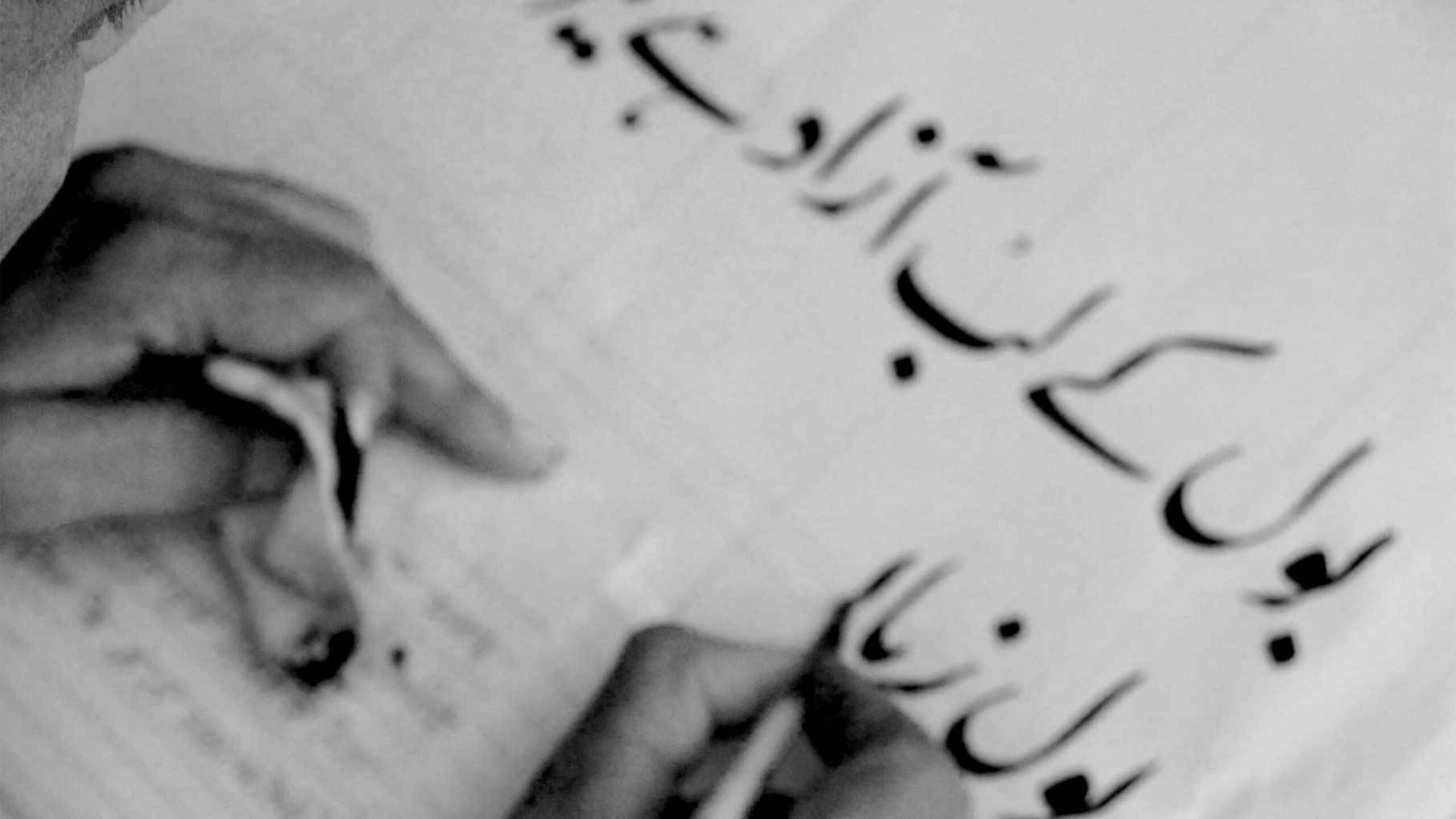
Dr. Asif Saeed has provided a comprehensive history of Urdu poetry and literature which are found in various early forms of Urdu writing such as works of Muhammad Urfi (Tadhkirah [1228 AD]), Amir Khusro (1253 – 1325 AD) and Khawaja Muhammad Husaini (1318 – 1422 AD). As Urdu began to flourish in the kingdoms of Golconda and Bijapur, the earliest writings in Urdu are in the Deccani dialect. Sufi saint Deccani was the first promoter of Urdu. Sufi saint Hazrat Khawaja Banda Nawaz Gesudraz is considered to be the first prose writer of Southern Urdu and some works like Merajul Ashiqin (c1398 ; Urdu) and Tilawatul Wajud are attributed to him but there are doubts in his authorship.
The first literary work in Urdu is that of the awakened poet Fakhruddin Nizami’s ‘Kadam Rao Padam Rao’ which was written between AD 1421 and AD 1434. There were two great poets of Bijapur. Qali Qutb Shah, the greatest narrator of the Golconda Kings, who was a prominent poet, has the distinction of introducing otherwise secular material for religious Urdu poetry.
His poetry focused on the love, nature and social life of the time. Other important writers of Southern Urdu included Shah Miranji Shamsul Ushaq (Khush Nama and Khush Naghz), Shah Burhan Uddin Janam, Mullah Wajhi (Qutb Mushtari and Sabras), Ghousi (Saiful Mulook-O- Badi-Ul-Jamal and Tuti Nama). Ibn-e-Nishati (Phul Ban) and Tabai (Bhahram-O-Guldandam) Wajhi’s Sabras is considered a masterpiece of great literary and philosophical merit.
Wali Muhammad or Wali Dakhani (Diwan) was a very famous medieval Dakhtani poet. He composed the ghazal. When his Diwan (a collection of ghazals and other genres of poetry) reached the philosophical level, Delhi poets who were engaged in writing poetry in Persian were greatly impressed and began to write poetry in Urdu, which they named “Rekhta”. This kept Medieval Urdu poetry growing under the shadow of Persian poetry. Unlike Hindi poetry, which originated from Indian soil, Urdu poetry was initially fed with Persian words and imagery.
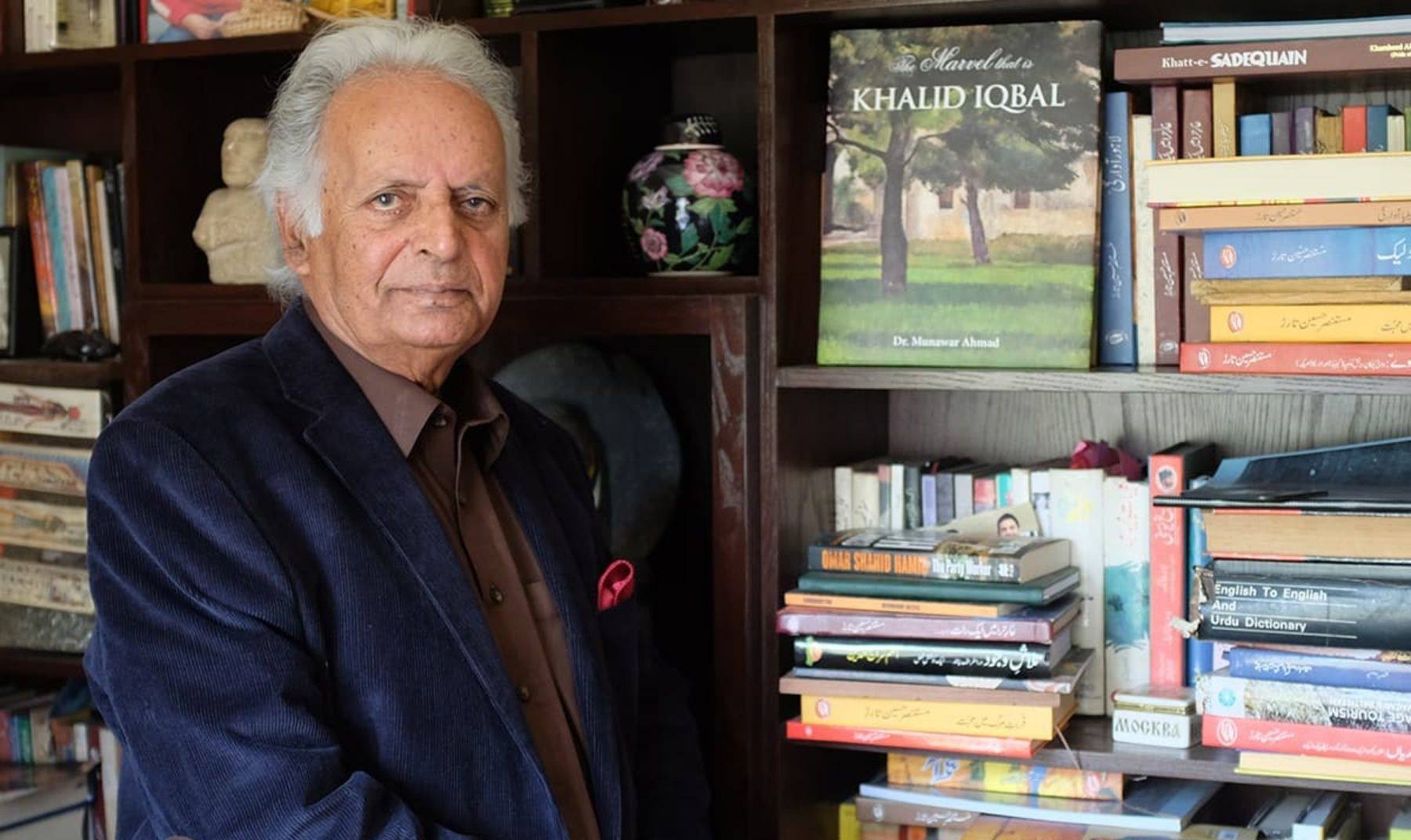
Sirajuddin Ali Khan Arzoo and Sheikh Sadullah Gulshan were early pioneers of the Urdu language in northern India. By the beginning of the 18th century, a proportionate North Indian variation in Urdu appearance began to emerge through the writings of Sheikh Zahooruddin Hatim (1699 – 1781 AD), Mirza Mazhar Jan-Janan (1699 – 1781 AD) Khawaja Mir. Dard (1719 – 1785 AD), Mir Taqi Mir (1722 – 1810 AD), Mir Hassan (1727 – 1786 AD) and Muhammad Rafi Sauda (1713[17] – 1780 AD). Mustansar Hussain Tarar, Nasir Abbas Nayyer also contributed their share in the Urdu Books.
During the eighteenth century, Sauda was described as the greatest satirist of Urdu literature. His city Ashub and Qasida Tazeek Rozgar are considered masterpieces of Urdu literature. Mir Hassan’s brother-in-law Sahar Al-Bayan and Mir Taqi Mir’s brother-in-law provided separate Indian language connections. Mir’s works, in addition to his six Diwans, include Nikat-ush-Shora (Tazkira) and Zikr-se-Mir (Autobiography). Shaikh Ghulam Hamdani Mushfi (1750 – 1824 AD), Insha Allah Khan (Darya-e- Latafat and Rani Ketaki), Khawaja Haider Ali Atish, Dia Shankar Naseem (Mathanvi: Gulzare Naseem), Nawab Mirza Shauq (Bahr-e-Ishq, Zahr-e-Ishq and Lazzat-e-Ishq) And Shaikh Imam Bakhsh Naskh, an early poet of Lucknow.
Mir Babar Ali Anees (1802 – 1874 AD) mastered the art of writing Marciya. The last Mughal emperor, Iftikhar-e-Kalam Bahadur Shah Zafar, was a poet of unique style, creating difficult poems, excessive word play and the use of idiomatic language. He has authored four major works. Before the national uprising of 1857, the luxurious spring of Urdu poetry was observed in the time of Bahadur Shah Zafar. Then the cold autumn winds began. Shaiq Ibrahim Zauq was the Shah’s patron in poetry. After Sauda, he is considered to be the most prominent composer of poems.
Hakim Momin Khan Momin wrote ghazals for him in a specific style. He used the ghazal exclusively to express feelings of love. No explanation of Urdu literature can ever be complete without the mention of Mirza Asadullah Khan Ghalib (1797 – 1869 AD), who is considered to be the greatest of all Urdu poets. With the spirit of his originality, Ghalib made a renewal in Urdu poetry. After the dominant period, Daagh Dehlvi (1831) emerged as a distinct poet, whose poetry was distinguished by the purity of his idiom and the simplicity of language and thought.
Modern Urdu literature covers the period from the last quarter of the nineteenth century to the present day and can be divided into two periods: The Aligarh Movement, which was started by Sir Syed Ahmad Khan and later by Sir Allama Muhammad Iqbal, and the Halqa-e-Arbab-e-Zouq Movement of Modernity and Postmodernism. However, Altaf Hussain Hali (1837 – 1914 AD) is the actual innovator of the modern spirit in Urdu poetry. Hali’s works include Deewan-e-Hali, Madd-o-Jazr-e-Islam or Musaddas-e-Hali (1879), Shikwa-e-Hind (1887), Munajat-e-Bewa (1886) and Chup ki Daad (1905).
Hali featured the art of writing autobiographies in her biography Hayat-e-Saadi and Hayat-e-Javed. He was the pioneer of modern criticism. His case is the cornerstone of Muqaddama-e-Sher-o-Shayari Urdu criticism. Shibli Nomani is considered to be the father of modern history in Urdu. He has presented numerous works based on historical research, especially Islamic history, such as Seerat-un-Noman (1892) and Al Faruq (1899).
Shibli also performed important works such as Sawaneh Umri, Maulana Rome, Al-Kalam Kalam (1903), Mozina Inais O Dabir (1907) and Sher Al-Ajam (1899). Muhammad Hussain Azad was an important writer and poet of that period. He laid the foundation of modern poetry in Urdu. Ab Hayyat, Sakhandan-e-Pars, Darbar-e-Akbari and Nazim-e-Azad are some of his notable literary works. Other important poets of modern times include Syed Akbar Hussain, Akbar Allahabadi (1846 – 1921 AD), who justified the appearance of satirical and humorous verses, Khushi Muhammad Nazir (1872 – 1944 AD), who wrote in Jogi and Pani, Muhammad Iqbal. (1873 – 1938 AD), Dargah Sahai Soror (d.1910), Muhammad Ali Johar (d.1931) and Hasrat Mohani (d.1951).
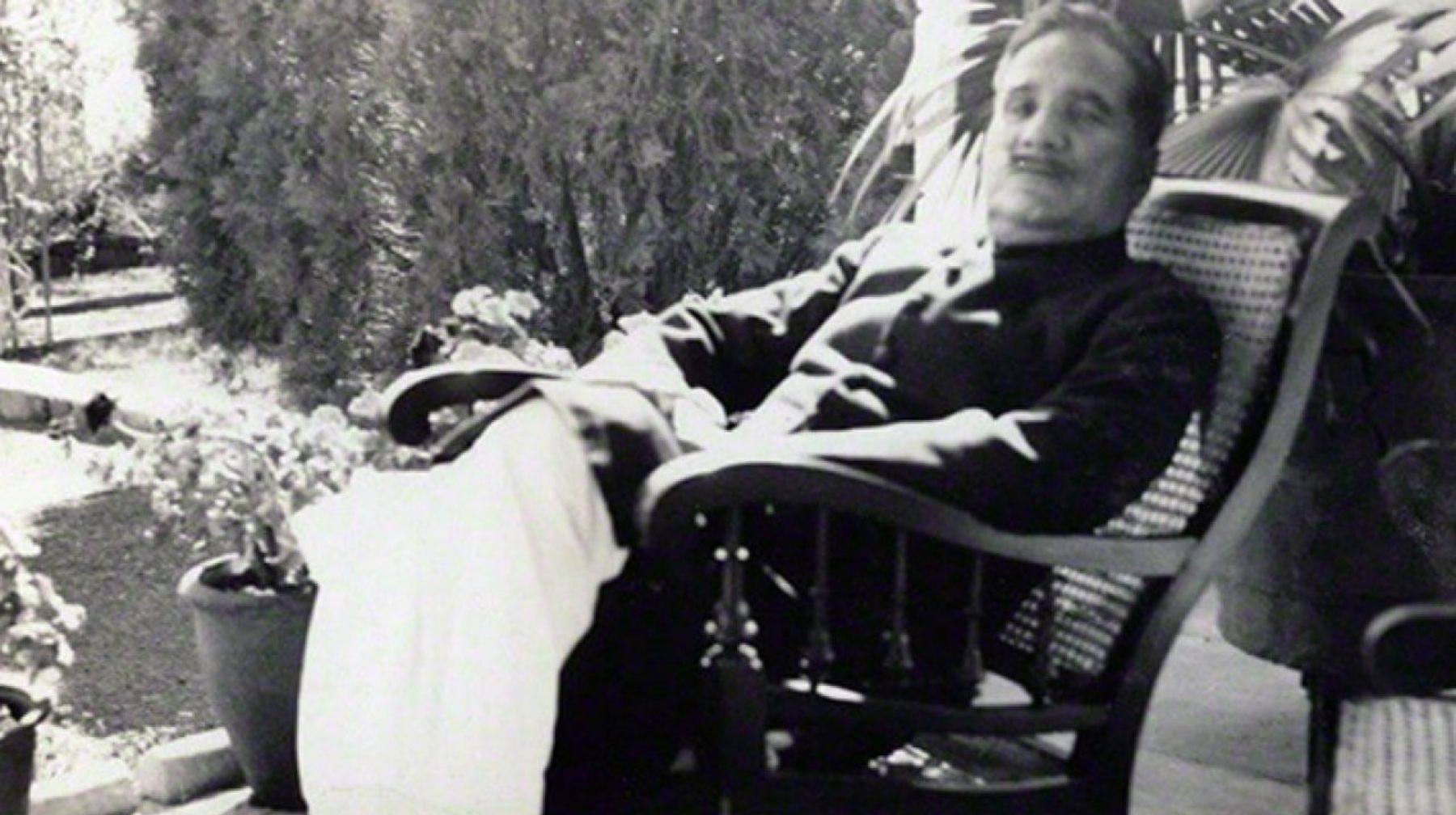
Iqbal’s poetry underwent several stages of evolution from romance (‘Nala-e-Yateem’ and ‘Abr-e-Guhar Bar) to Indian nationalism (Tasvir-e-Dard’, ‘Naya Shivala’ and ‘Tarana-e-Hindi’). And finally Pan-Islamism (‘Shikwa’, ‘Sham-o-Shair’, ‘Jawab-e-Shikwa’, ‘Khizr-e-Rah’ and ‘Tulu-e-Islam’). Fani Badauni (1879 – 1941 AD), Shad Azimabadi (1846 – 1927 AD), Yagana Changezi (1884 – 1956 AD), Asghar Gondvi (1884 – 1936 AD), Jagar Moradabadi (1896 – 1982 AD), Akhtar Sherani, Faiz Ahmad Faiz (1912 – 1985 AD), Miraji (1912 – 1950 AD), NM Rashid (1910 – 1976 AD), Akhtar Iman (b. 1915), Ali Sardar Jafari (b. 1913), Makhdoom Mohi-ud-Din (1908-1969), Kefi Azami (b. 1918), Jan Nisar Akhtar (1914 – 1979 AD), Sahir Ludhianvi (1922 – 1980 AD), Majrooh Sultan Puri (1919 – 2000 AD), Israr-ul-Haq Majaz (1911 – 1955 AD), Nasir Kazmi, Ibn-e- Insha and Dr. Kaleem Ezeez.
New Heights to Urdu Poetry
Around the sixth decade of the twentieth century, a new generation of poets emerged. Leading poets of this generation include Khalil-ur-Rehman Azmi, Hemat Ali Sher, Bilraj Komal, Aimaq Hanafi, Kumar Pashi, Makhdoom Saeedi, Mazhar Imam, Dr. Mughni Tabassum, Bani, Munir Niazi, Sulaiman Arab, Aziz Qaisi, Saqi Farooqi, Iftikhar. Arif is included. Saleem Ahmed, Qazi Saleem, Shafiq Fatima Sheera, Bashar Nawaz, Akbar Hyderabadi, Waheed Akhtar, Shaz Tamkant, Zubair Rizvi, Muzaffar Majaz, Mushfiqur Iqbal Tosifi, Zehra Negah, Kishore Naheed, Zahida Zaidi, Siddique Shabnam and others.
The short story in Urdu began with Munshi Prem Chand’s Suze Watan (1908). Prem Chand’s short stories cover about a dozen volumes, including Prem Pechsi, Prem Batsi, Prem Chalice, Zad-e-Rah, Varadat, Akhtar Tohfa and Khaq Parwana. Muhammad Hassan Askari and Khawaja Ahmad Abbas are considered prominent figures in the Urdu short story. Under Sajjad Zaheer (1905 – 1796 AD), Ahmad Ali (1912 – 1994 AD), Mahmood Al-Zafar (1908 – 1994 AD) and Rashid Jahan (1905 – 1952 AD), the progressive movement gained momentum in Urdu fiction.
Urdu writers such as Rajindar Singh Bedi and Krishna Chandra (1914 – 1977 AD) expressed their commitment to Marxist philosophy in their writings. Krishna Chandra’s ‘Adhe Ghante Ka Khuda’ is one of the memorable stories of Urdu literature. His other well-known short stories include ‘Zindagi Ke Mor Par’, ‘Kalu Bhangi’ and ‘Mahalakshmi Ka Pul’, Bedi’s Garm ‘Kot’ and ‘Lajwanti’ are among the masterpieces of Urdu short stories. Bedi’s major works include collections of short stories, Dana-Daam Girhan, Kokh Jalli and Aap Dokhe Mein Dido, etc., a collection of dramas ‘Sat Khel’ and a novel Ek Chadar Maili Se (c.1972).
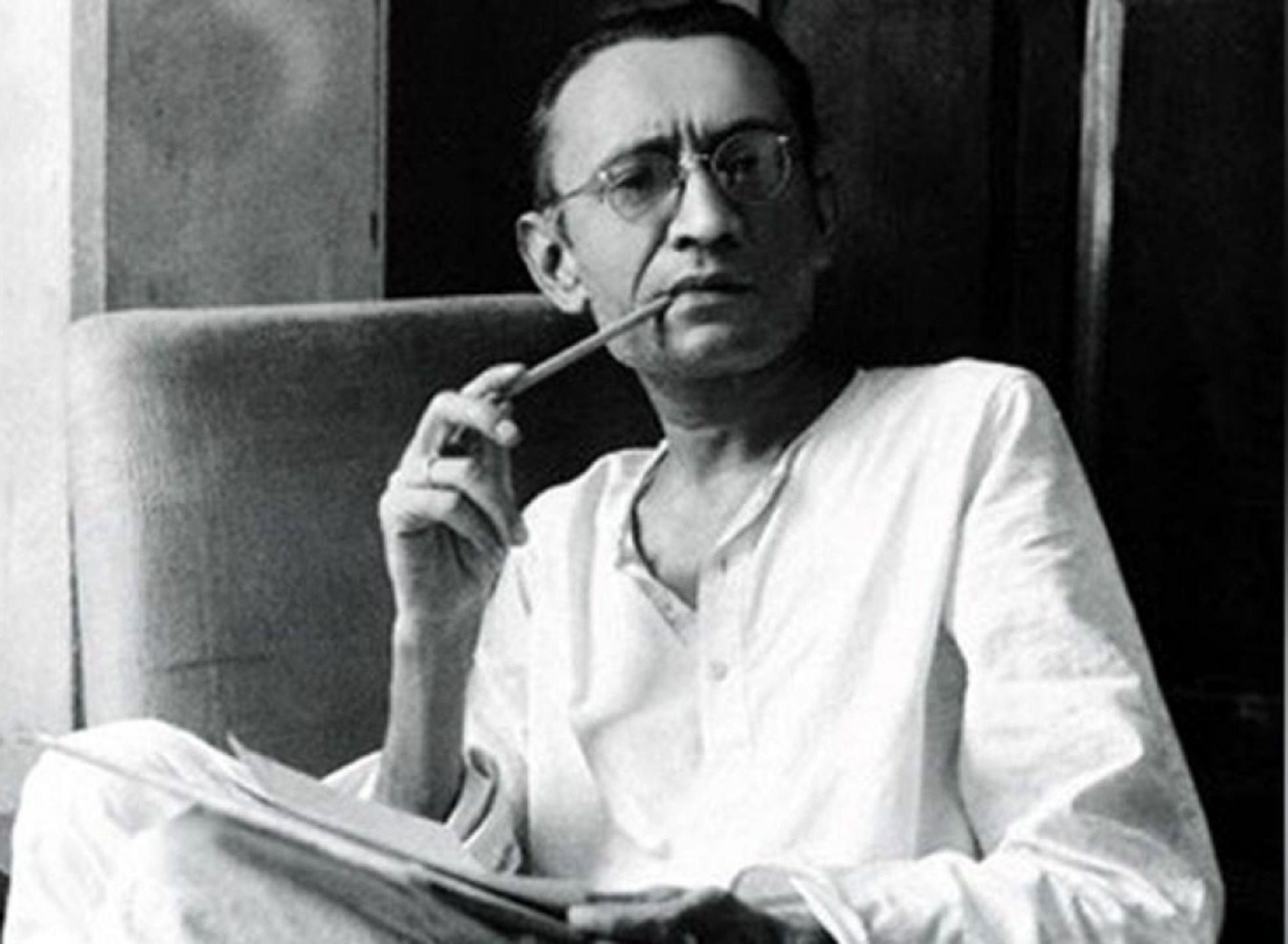
Manto, Ismat Chughtai and Mumtaz Mufti create a separate brand of Urdu writers who focus on the “psychological story” as opposed to the “social story”. Some of Ismat Chughtai’s most important short stories are ‘Chothi Ka Jura’, ‘Do Haath’, ‘Lehran’ and ‘Lehf’. Manto dealt artistically with many non-traditional subjects, such as sex, which were considered taboo by the middle class. His ‘cold meat’, which tackled the subject of necrophilia, surprised readers. Manto’s other admirable work was ‘Khol Do’, which dealt with the horrors of partition.
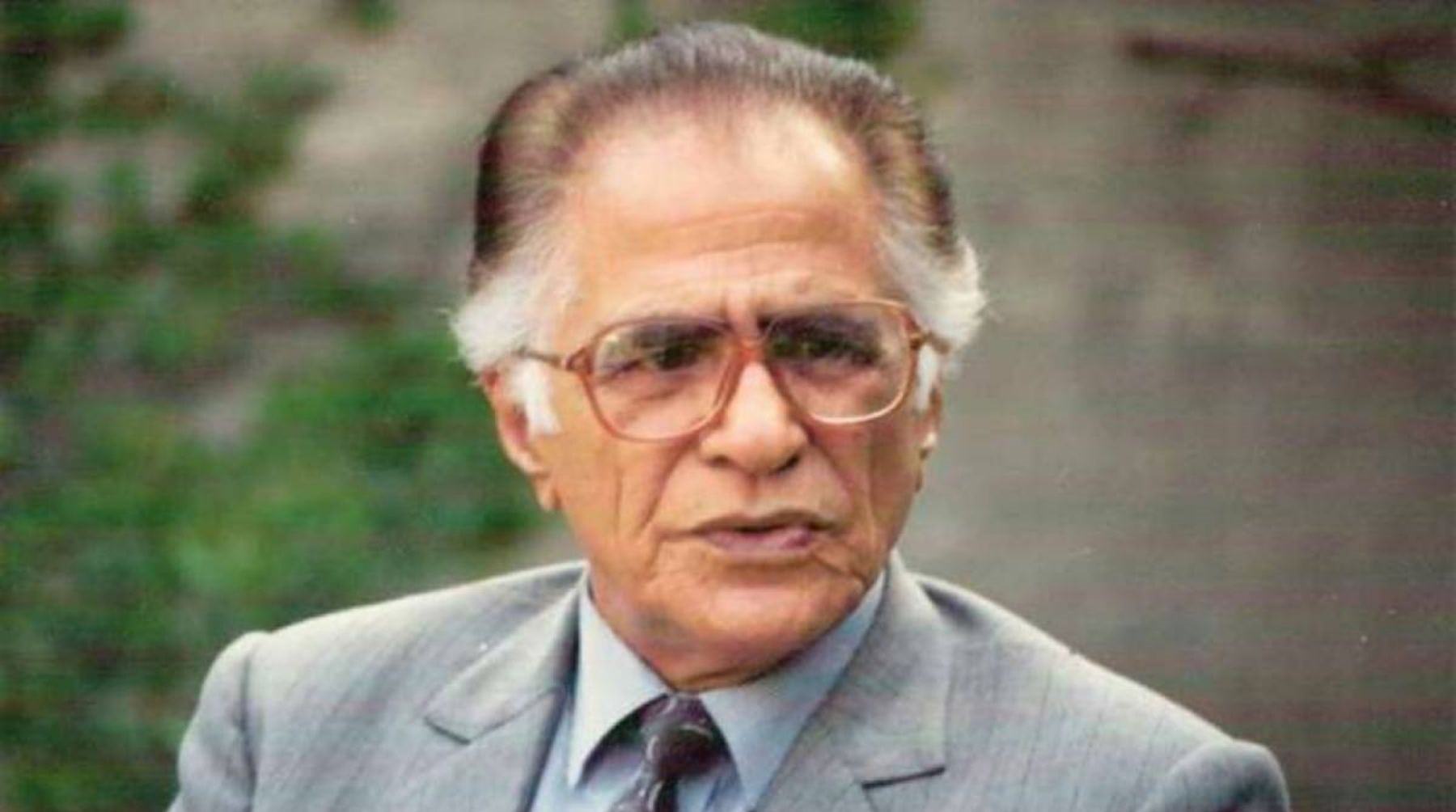
Ahmad Nadeem Qasmi (b. 1515) is another important name in Urdu short story. His important short stories include ‘Alhamdulillah’, ‘Sab’, ‘Naseeb’ and others. In the period after 1936, writers associated with Aleppo Arbab Zauq presented many good stories in Urdu. Openers Nath Ashq (Dachi), Ghulam Abbas (Anandi), Antar Hussain, Anwar Sajjad, Bilraj Minra, Surinder Prakash and Qurat Ul Ain Haider (Staron Cage, My Sanam Khane) are an important light of Urdu short story. Many well-known fiction writers have emerged from the city of Hyderabad in recent times, including Jilani Bano, Iqbal Matin, Awad Syed, Qadeer Zaman, Mazhar-ul-Zaman and others.
The novel can be traced back to Nazir Ahmad (1836 – 1912 AD), who wrote several novels, including Mirat-ul-Uroos (1869), Banat-un-Nash (1873), Taubat-un-Nasuh (1877), Fasana-e-Mubtala (1885), Ibn-ul-Waqt (1888), Ayama (1891) and others. Pandit Ratan Nath Sarshar’s (1845-1903) Fasana-e-Azadi, Abdul Haleem Sharar’s (1860 – 1920 AD) Badr-Nuna Kisa Musbat and Agha Sadiq’s marriage, Mirza Muhammad Hadi Raswa’s Amr Jan Ada (1899) are some of them. Of the great novels and novelists written during this period.
Niaz Fatehpuri (1887 – 1796 AD) and Qazi Abdul Ghaffar (1862 – 1956 AD) were other eminent early romance novelists of the language. However, it was Prem Chand (1880 – 1936 AD) who tried to introduce the trend of realism in Urdu novels. Prem was one of the few authors who wrote multiple books including Bazaar-e-Husn (1917), Gosha-e-Afiat, Chogan-e-Hasti, Maidan-e-Amal and Gooden. Writers of the Indian Progressive Writers’ Association, such as Sajjad Zaheer, Krishna Chandra and Ismat Chughtai, further strengthened Prem Chand’s realism.
Krishna Chandra’s Jab Khet Jage (1952), Ek Gadhe Ki Sarguzasht (1957) and Shikasta Are among the famous novels of Urdu literature. Ismat Chughtai’s novel Teri Lakir (1947) and Qurat Ul Ain Haider’s novel ‘Aag Ka Darya’ are considered important works in the history of Urdu novels. Khawaja Ahmad Abbas, Aziz Ahmed, Balwant Singh, Khadija Mastoor and Intezar Hussain are other important writers of Urdu.
Urdu was not limited to Muslim writers. Numerous authors of other religions also wrote in Urdu. The most important of these are Munshi Prem Chand, Faraq Gorakhpuri, Pandit Ratan Nath Sarshar (Fasana Azadi) and Brij Narain Chakbast (1882 – 1926 AD), who composed music for Subh-e- Watan and Tilok Chand Mahrum’s (1887 – 1966 AD) ‘Andhi’ and ‘Utra Hua Darya’, Krishn Chander, Rajindar Singh Bedi, Kanhaiyalal Kapur, Upendar Nath Ashk, Jagan Nath Azad, Jogender Pal, Balraj Komal and Kumar Pashi.
Akbar Allahabadi (1846 – 1921 AD) was a pioneer in Urdu humor and satire. Majid Lahori, Mehdi Ali Khan, Patras Bukhari (1898 – 1958 AD), Mirza Farhatullah Baig, Shafiqul Rehman, Azeem Baig Chughtai, Ibn Ansha, Mushfiq Khawaja, Mushtaq Ahmad Yousifi, K.L.KapurA, Amjad Hussain, Mujtaba Hussain, Himmatullah and Talib Khandami are other important names in the field of comedy. Professor Hafiz Muhammad Sherani (1888 – 1945 AD) devoted a long time to the field of literary criticism.
Others in this field include Sheikh Muhammad Ikram (1907 – 1976 AD), Syed Ehtesham Hussain (1912 – 1976 AD), Muhammad Hassan Askari, Ali Ahmad Soroor, Mumtaz Hussain, Masood Hussain, Shams-ur-Rehman Farooqi, Gopichand Narang, Mughni Tabassum And others. Farhang-e-Isfiya is the first Urdu dictionary based on the principles of modern lexicography, compiled in 1892 by Maulana Syed Ahmad Dehlavi (1846 – 1920 AD).
Urdu literature has had a number of personalities which paid their tribute to Urdu language and some of them devote their whole life to the Urdu language and culture.
Share