Storytelling is considered as the earliest known method of learning. It has brought early human societies closer together by providing youngsters with answers to the most pressing concerns about creation, life, and the afterlife. We have defined, shaped, controlled the society through stories. Although not every human civilization on the planet is literate, every culture recount stories. Stories instill a sense of awe and wonder in the world. We learn about the life, ourselves, and others via stories and reading. Storytelling is a unique approach for children to get better knowledge, respect, and admiration for other cultures, as well as to foster a favorable attitude toward people of other races and religions.
Why Storytelling is Important for Preschoolers
Reading and storytelling to newborns and children encourage brain growth and creativity, as well as the development of language and emotions, as well as the strengthening of bonds. You can read on occasion. You can also look at picture books, perform songs, or share tales from your culture on occasion. Babies and early children appreciate rhyme, rhythm, and repetition in books, songs, and stories. A wonderful book or tale may be enjoyed at any moment! Every day, try to share at least one book or tale. Reading isn’t the only method to assist your baby build his or her language skills.
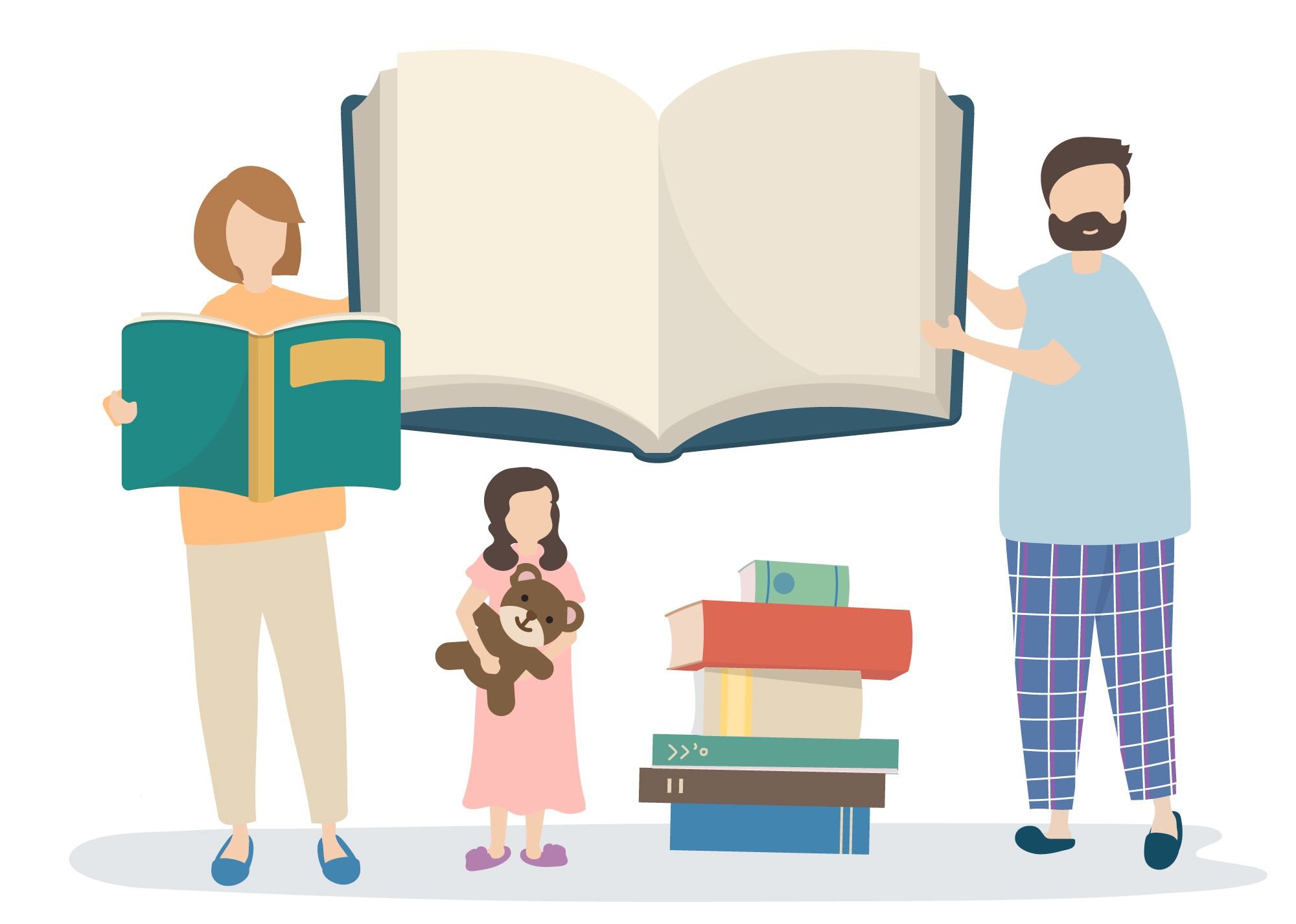
Telling stories, singing songs, and repeating rhymes with your kid are all excellent activities for developing early literacy abilities, and your child will most likely have a lot of fun doing so. These hobbies may be more appealing to your young compared to reading. You and your child could enjoy making up stories or sharing family legends. The songs, tales, and discussions you have together can help your kid acquire words and improve language abilities.
Importance of Storytelling
There is a wonderful moment when you tell your first story. The children are captivated, their mouths open and their eyes bright. If it isn’t enough to persuade you, consider the following:
- Encourage deliberate conversation, not simply about the narrative – there are a variety of activities to play.
- Increase the desire to read texts in order to locate tales, revisit them, and so on.
- Children will rapidly desire to create and share stories if they are given the opportunity to do so.
- Enhances the sense of belonging in the room.
- Improve the ability to listen.
- Boys are enthralled by movies. Children from preschool until the end of primary school like it.
- Give English-language learners a compelling incentive to speak and write in English.
Stories fascinate children. Stories enhance children’s emotions, arouse feelings of sympathy, and built strong relations between a child and the parents. They have the ability to teach empathy and take us on amazing adventures. They have the ability to make us laugh, weep, leap in fear, and then console us with a happy ending. We learn how to appreciate a tale from an early age, both for enjoyment and to help us understand the world and ourselves.
Storytelling may be used to swiftly increase standards while also building skills, knowledge, and confidence in a variety of other areas in schools where raising basic reading levels is a goal. Another benefit of listening to stories is that it helps youngsters improve their academic skills. Children learn a lot of new language via storytelling. People converse at home using a restricted number of words. However, stories will include academic vocabulary as well as a large number of fresh terms for the child to learn. It is simple to explain the meanings of the terms since children learn better when they are immersed in a tale.
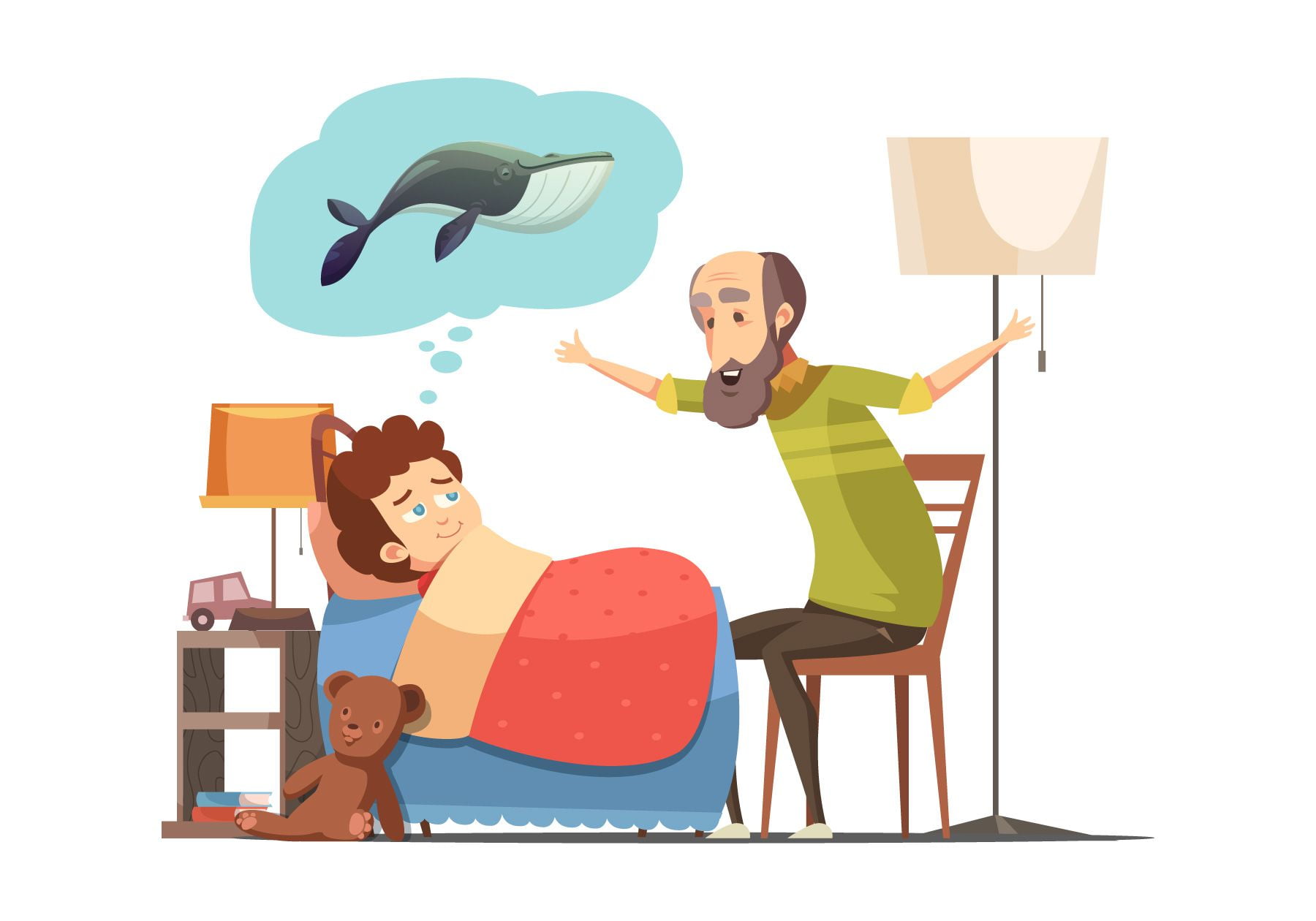
“Storytelling is the most powerful way to put ideas into the world today” – Robert McAfee Brown
How to Teach Storytelling Techniques
Children’s memory capacity may be improved by asking them to recall stories you’ve already read to them or asking them to recall where you left off the day before. Always encourage children to participate in the story. Inspire them to develop a new tale with the same characters by asking them to describe a possible conclusion.
In the classroom, students can learn English by listening to the sounds and rhythms, much as native speakers did while learning their first language. Students can recognize and observe words and expressions that they have learned or heard on a daily basis. Telling them frequently can assist children in learning new words and expressions that have the appropriate emotional resonance. Storytelling with participation asks students to think about what’s going on with the characters and what they should do next, or gives them the opportunity to be that character and hear/say their lines in a real-life setting.
Children are taught about the differences between cultures and lifestyles by storytelling. All of the stories are educational for youngsters who are new to the world and may know very little about life in general. Storytelling aids children in visualizing the storyline and characters. When reading stories to children, parents must keep a few things in mind. You must read out the stories emotionally if you want them to listen attentively and comprehend the story. Change the pitch of the music to reflect the story’s sentiments and emotions. Use excellent body language to express your message clearly. Acting out a narrative is perfect storytelling.
Child’s Development through Reading and Storytelling
Reading and storytelling are important components of your child’s development. Whether it’s as basic as chatting about your upbringing or sharing a hilarious tale about your day, or reading a book, youngsters benefit from storytelling in a variety of ways.
Teaching Proficiency through Reading and Storytelling
Take a look at this list to discover the advantages of reading and storytelling for children’s development.
- It instills qualities in the child;
Listening to stories is a favorite pastime of young children. When you devote enough time to reading and storytelling with children, you are establishing values in them that they will be able to carry with them as they grow older. Tell children stories about characters who have qualities they can relate to or stories with a moral they can understand.
- It improves their listening and reading abilities;
It’s not always simple to keep a child’s attention for an extended period of time. Many children find it difficult to focus on a task and read for an extended length of time. They either join in or contribute more to the conversation, or their brains stray elsewhere. Storytelling with your child, on the other hand, can help them strengthen their listening abilities. They’ll become more alert and learn how to narrow their concentration on a certain subject.
- Encourages them to use their creativity;
When youngsters listen to a narrative, they visualize the characters, storyline, place, and so on. It’s not the same as viewing anything on a screen. As the narrative progresses, storytelling allows children’s imaginations to run wild. They are free to imagine the narrative in their thoughts in whatever way they desire. It can even help them be more creative and receptive to new ideas.
- Improves their cultural awareness;
Storytelling exposes young children to new experiences, such as new places, cultures, and traditions. It allows children to picture themselves in the shoes of the characters in the tale, which increases empathy as they try to grasp their behavior.
- Improves their communication abilities;
Children’s capacity to express themselves can be improved by reading and telling tales to them. It encourages children to express their feelings, thoughts, and ideas. Encourage your child to ask questions and share their opinions when you’re telling a tale. As you continue to engage in storytelling activities with your child, their vocabulary will grow as they learn new words.
- Support in memory improvement;
Storytelling is a great technique for your child’s memory to improve. You may perform a review or ask them to recollect some of the facts after you read them a story. Question them to see how much knowledge they’ve retained.
- It increases motivation;
Telling tales to your child is a great way to prepare them for future academic study. It’s a fantastic approach to get kids ready for school since it makes learning more natural and enjoyable. As previously said, storytelling aids in the development of a child’s focus and concentration, both of which are critical as they enter school.
- Enhances social abilities;
Children start paying attention and listen actively to the person speaking through storytelling. As they listen to others talk, they learn to be more patient. It also opens their eyes to other people’s perspectives and helps them comprehend how everyone’s viewpoint differs.
Reading and storytelling may educate young children a lot about the world and life. It provides students with several opportunities to discover new and exciting ideas and experiences. Given these advantages, parents have every motive to spend time reading stories to their children.
Conclusion
Reading and storytelling are beneficial to a child’s development in a variety of ways. In this post, we’ll discover how it helps in a child’s growth and the numerous benefits it provides. Students should be encouraged to read and listen to tales. Storytelling opens doors to other worlds for youngsters. It allows children to absorb new concepts and knowledge; they are unknowingly learning vital life lessons by listening to an interesting, thrilling narrative. Telling your child stories by yourself, rather than using a laptop or other device is a better method to do it. Reading and sharing stories with your child help you and your child form a deep bond. They learn to ask questions, create scenarios, develop a sense of curiosity and creativity and think about a variety of topics. It truly helps in the development of their communication skills and vocabulary.
Share