

166 Commerce O Level (Revision Notes)
Rs. 970
- Author: Zeeshan Sheikh
- Publisher: Read and Write Publications
- Format: Paperback
- Language: English
Share
Description
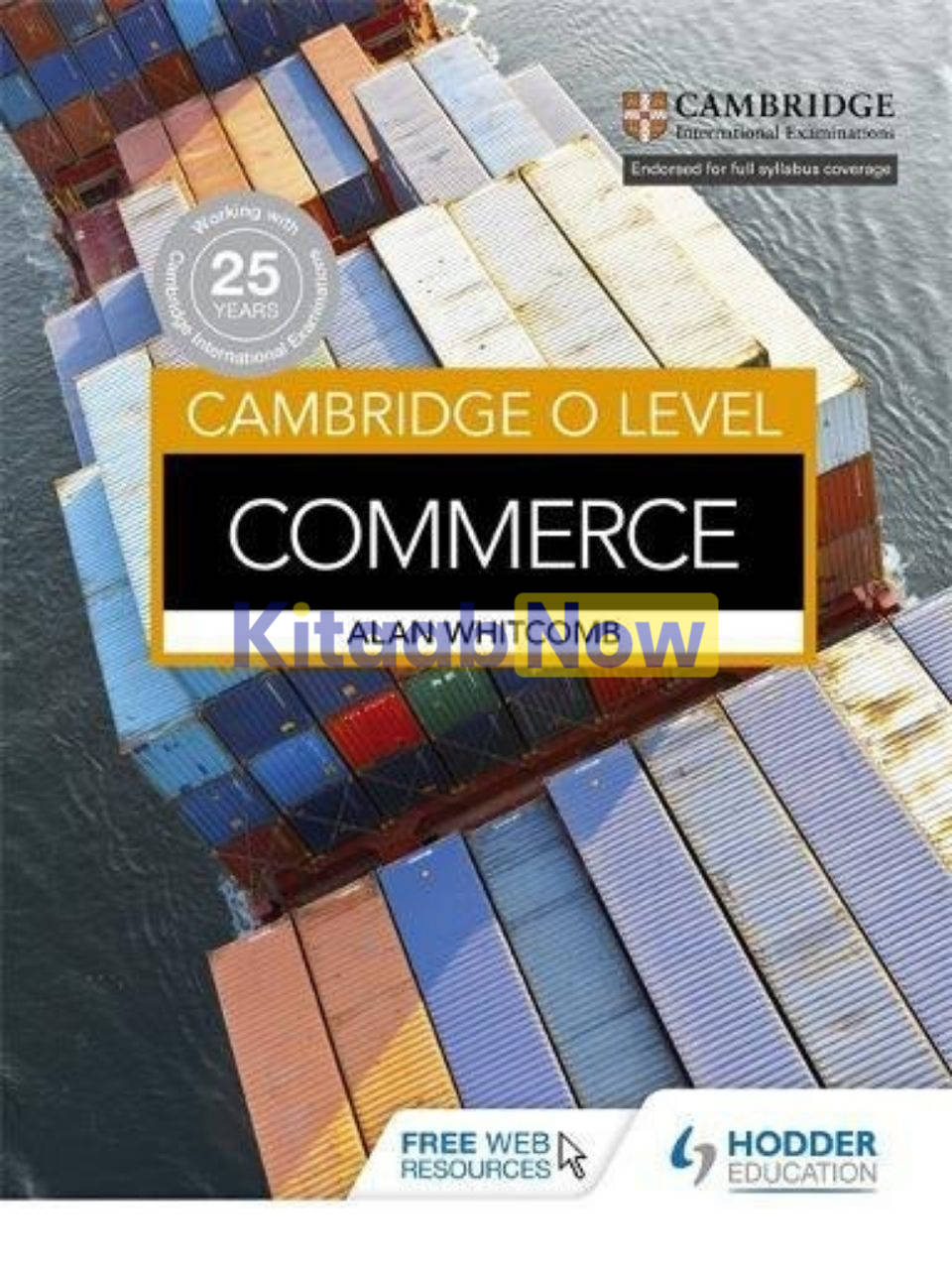
166 Commerce O Level (Revision Notes) by Zeeshan Sheikh
Table of Contents
- Unit 1 Production
- What is Commerce?
- The Chain of Production
- Production
- Chain of Production
- Needs and Wants
- Needs
- Wants
- 166 O Level Commerce Notes
- Primary Industries, Secondary Industries and Tertiary Activities
- Direct Production and Indirect Production
- Direct Production
- Primary, Secondary and Tertiary Sector of Production
- Primary Production
- Secondary Production
- Tertiary Production
- How are Manufacturing and Tertiary Activities Inter-Related?
- Specialization and Division of Labor
- Specialization
- Forms of Specialization
- Commerce
- Trade and Aids To Trade
- Types of Trade
- Purpose / Importance of Foreign (overseas) Trade
- Comparison of Home Trade and Foreign Trade
- Aids To Trade
- The Relationship Between Industry, Commerce and Direct Services
- Unit 2 Retail Trade
- The Role of Retailer in the Chain of Distribution
- The Retail Trade
- Types of Retailers
- Small Scale Retailers
- Peddlers / Hawkers / Roadside Traders / Mobile Shops / Street Markets
- Advantages
- Disadvantages
- Unit Retailers
- Advantages
- Disadvantages
- Automatic Vending Machines
- Advantages
- Disadvantages
- Specialty Shops
- Advantages
- Disadvantages
- Large Scale Retailers
- Department Store
- Advantages of Departmental Stores
- Disadvantages of Departmental Stores
- Multiple Chain Stores / Multiple Shops
- Advantages
- Disadvantages
- Super Market
- Advantages of Supermarket
- Disadvantages of Supermarkets
- Hyper Market
- Advantages of Hypermarket
- Disadvantages of Hypermarkets
- Large Scale and Small Scale Retailing
- How Do Small Scale Retailers Survive Against Competition From Large Scale Retailers?
- Selling Techniques and Methods and the Implications of E-Commerce
- Branding / Own Brands / Logo
- Packaging
- Self Service
- After Sale Service
- Computers As Aid To Retailing
- E-Commerce
- Why Small Scale Retailers Are Dependent On Wholesalers
- Trends in Retailing
- Omni-Channel (Omni-channel Retailing)
- Self Service Checkouts
- Loyalty Programs
- Mobile Retailing (m-commerce)
- The Role of Retailer in the Chain of Distribution
- Unit 3 Customer Credit
- Use of Credit
- Reasons for Giving Credit / Reasons for Increased Use of Credit
- Types of Credit
- Hire Purchase
- Extended Credit / Deferred Payment
- Store Cards
- Credit Cards
- Informal Credit / Lay-Bye
- Suitability of Different Types of Credit
- Use of Credit
- Unit 4 Wholesaler
- The Role of Wholesaler in the Chain of Distribution
- Wholesale Trade
- Channel of Distribution
- Different Channels of Distribution
- Factors Affecting Choice of Channel of Distributions
- Functions and Services of the Wholesaler
- Cash-And-Carry Wholesalers
- Voluntary Chains
- Reasons Why Do Wholesalers Not Operate At Retail Level
- Why the Role of Wholesaler Is On Decline
- Intermediaries
- Middle Man
- Agents
- 1 Factors
- 2 Brokers
- Special Types of Middleman
- Why Small Scale Retailers Are Dependent On Wholesalers
- The Role of Wholesaler in the Chain of Distribution
- Unit 5 Documents of Trade
- Why are Documents Needed?
- Common Features in all Documents
- Documents of Home Trade
- Enquiry (Issued By Buyer, Issued To Seller)
- Quotation (Issued By Seller, Issued To Buyer)
- Catalogue (Issued By Seller, Issued To Buyer)
- Price List (Issued By Seller, Issued To Buyer)
- Order (Issued By Buyer, Issued To Seller)
- Advice Note (Issued By Seller, Issued To Buyer)
- Delivery Note (Issued By Seller, Issued To Buyer)
- Invoice (Issued By Seller, Issued To Buyer)
- Credit Note (Issued By Seller, Issued To Buyer)
- Statement of Account (Issued By Seller, Issued To Buyer)
- Differences Between Invoice and Statement of Account
- Sequence of Documents in Home Trade
- Terms of Payment
- Cash Discount
- Trade Discount
- Mark-Up
- Unit 6 International Trade
- International Trade
- The Importance of International Trade
- Types of International/Foreign Trade
- Visible and Invisible Trade
- Similarities Between Home Trade and Foreign Trade
- Differences Between Home Trade and Foreign Trade
- Interdependence of Countries
- 166 O Level Commerce Notes
- Balance of Trade and Balance of Payments
- Balance of Trade
- Balance of Payments
- The Current Account
- The Capital Account
- The Financial Account
- Why Deficit in Balance of Payments and Balance of Trade Is Undesirable
- Customs Authorities
- Free Trade, Trading Blocs and Protectionism
- Free Trade
- Trading Blocs
- Protectionism
- How To Protect From Imports-To Make Balance of Payment Surplus?
- Effects of Protectionism
- Difficulties Faced By Importers and Exporters
- Difficulties Faced By Exporters
- Exporters and Aids To Trade
- Unit 7 Advertising
- The Role of Advertising
- Aims / Purposes of Advertisement
- Advantages of Advertisement
- Dangers of Advertisement (Criticism on Advertisements)
- Types of Advertising
- Advertising Media
- Television
- Radio
- Internet
- Cinema
- National Newspapers
- Local Newspapers
- Magazines
- Trade Journals
- Trade Fairs / Shows / Exhibition
- Leaflets / Flyers / Pamphlets
- Packaging / Plastic Bags
- Direct Mail
- Sponsorships
- Catalogs / Broachers
- Digital Billboard
- Transport Vehicles
- Point of Sale Display / Windows Display
- Neon Lights / Signs
- Factors Affecting Choice of Advertisement Media
- Methods of Appeal (DEVICES)
- Color
- Emotion
- Ambition
- Famous People (celebrities)
- Music
- Humor
- Sales Promotion
- Difference Between Advertising and Sales Promotion
- Methods of Promotion
- Displays and Demonstrations
- Factors Effecting Choice of Sales Promotion Method
- Trends in Advertising
- Digital Billboards
- Product Placement
- Mobile Phone Advertisement
- Digital Video Advertisement
- Importance of Internet Advertising
- The Role of Advertising
- Unit 8 Communication
- Importance of Communications in Trade and the Global Market
- Importance of Communication in Commerce
- Methods of Communications, Internal and External
- Verbal / Oral
- Visual
- Written
- Electronic Methods of Communication
- Telephones
- Mobile-Phones
- Internet
- Intranet
- Teleconferencing and Video-Conferencing
- Factors Affecting Choice of Medium
- Postal Services
- Trends in Communication
- Tablets and Smart-Phones
- Social Media
- Application Stores
- Importance of Communications in Trade and the Global Market
- Unit 9 Transport
- Transportation
- Importance of Transportation
- Modes of Transportation
- Pipelines (Transport of Gases, Liquids)Road Transport
- Rail Transport
- Air Transportation
- Sea Transportation
- Waterways
- Pipelines
- Factors Affecting Choice of Method of Transport
- Cost of Transportation
- Risk of Damage and Safety Issues
- Urgency or Speed Required
- Convenience
- Distance
- Nature of Goods
- Quantity To Be Transported
- Value of Goods and Security Needed
- Effects of Owning Transport To a Business
- Containerization
- Ports and Airports
- Port Authorities
- Airport Authorities
- Transport Documents
- Delivery Note
- Consignment Note
- Bill of Lading
- Air Waybill
- Development and Trends in Transportation
- Chartering Transport
- Express Routes
- Changes in Use of Rail Transport, Mass Transit System and High Speed Trains
- Increased Use of Freight Forwarders
- Transportation
- Unit 10 Warehousing
- Role of Warehousing
- Importance of Warehouses To Business and Trade
- Production
- Prices
- Regular Supply
- Prepares Goods and Make Them Sale-Able
- Display of Goods
- Services To International Trade
- Types of Warehouses
- Bonded Warehouse
- Cold Storage Warehouse
- Cash and Carry Warehouses
- Manufacturer and Retailer Warehouses
- Regional Distribution Centers
- Role of Warehousing
- Unit 11 Insurance
- Purposes of Insurance
- How Does Insurance Help the Economy?
- The Importance of Pooling of Risk
- Business and Personal Risks
- Business Risks
- Personal Risks
- Difference Between Insurable and Non Insurable Risks
- Principles of Insurance
- Indemnity/Compensation
- Insurable Interest
- Utmost Good Faith
- Evaluating Insurance Quotation Depends Upon
- Effecting Insurance Cover
- Procedure
- Statistical Basis of Insurance
- Factors Affecting the Premium
- Premiums and Its Calculations
- Main Documents of Insurance
- Proposal Form
- Cover Note
- Insurance Policy
- Insurance Broker
- Functions of Insurance Broker
- Benefits To the Customers Using Insurance Broker
- Effecting Insurance Claim
- Claim Form
- Purposes of Insurance
- Unit 12 Banking
- Introduction
- Banking Services
- Services Offered By the Commercial Banks
- Savings Account
- Current Account
- Paying-In Slip
- Issuance of Bank Statement
- Night Safe Deposits
- ATM (Automated Teller Machine) Services
- Internet Banking
- Telebanking
- Bank Over-Draft
- Means of Payment in Home and International Trade
- Payments in Home Trade
- Cash
- Cheques
- Credit Transfers / Bank Giro
- Standing Orders / Banker’s Order
- Direct Debit
- Comparison of Standing Order and Direct Debit
- Credit Cards
- Debit Cards
- Bank Drafts / Cashier’s Cheque / Banker’s Cheque
- Factors Effecting Choice of Method of Payment
- Means of Payment in International Trade
- Remittances
- Electronic Transfers
- Documentary Credit (Letter of Credit)
- Trends in Banking
- Mobile and Digital Banking / Internet Banking
- Mobile Wallets
- Unit 13 the Business Unit
- Location of a Business Including Retail Units
- Location of Primary Production Units
- Location of Secondary Production Units
- Location of Tertiary Production Units
- Public and Private Sector
- The Public Sector
- Types of Private Sector Organizations
- Sole Trader
- Partnership
- Private Limited Company
- Public Limited Company
- Public Corporations
- Franchises
- Franchisor
- Franchisee
- Franchise Agreement 166 O Level Commerce Notes
- 135 Multinational Companies
- Location of a Business Including Retail Units
- Unit 14 Finance
- Sources of Finance
- Long Term and Short Term Finance
- Long-Term Financing
- Shares
- Debentures
- Mortgage
- Loans
- Sale and Leaseback
- Short-Term Financing
- Overdraft
- Debt Factoring
- Leasing
- Trade Credit
- Hire Purchase
- Long-Term Vs Short-Term Financing
- Methods of Self-Financing
- Retained Profits (Retained Earnings)
- Sale of Asset
- Savings
- Sources of Finance in Particular Given Business Situations
- Finance for Commercial Activity
- Sources of Finance
- Unit 15 Changing Environment of Commerce
- Commercial Activity and the External Environment
- Political Factors
- Economic Factors
- Social Factors
- Technological Factors
- Commercial and Environmental Effects of E-Commerce
- E-Shop (e-store)
- Commercial Effects of E-Commerce
- 153 Commerce and the Environment
- Environmental Effects of E-Commerce
- Consumer Protection
- Importance of Consumer Protection
- Methods of Safeguarding the Consumer
- Consumers Rights
- Actions that a Consumer Can Take
- Faulty Goods
- Commercial Activity and the External Environment
Only logged in customers who have purchased this product may leave a review.
Related Products


Reviews
There are no reviews yet.