
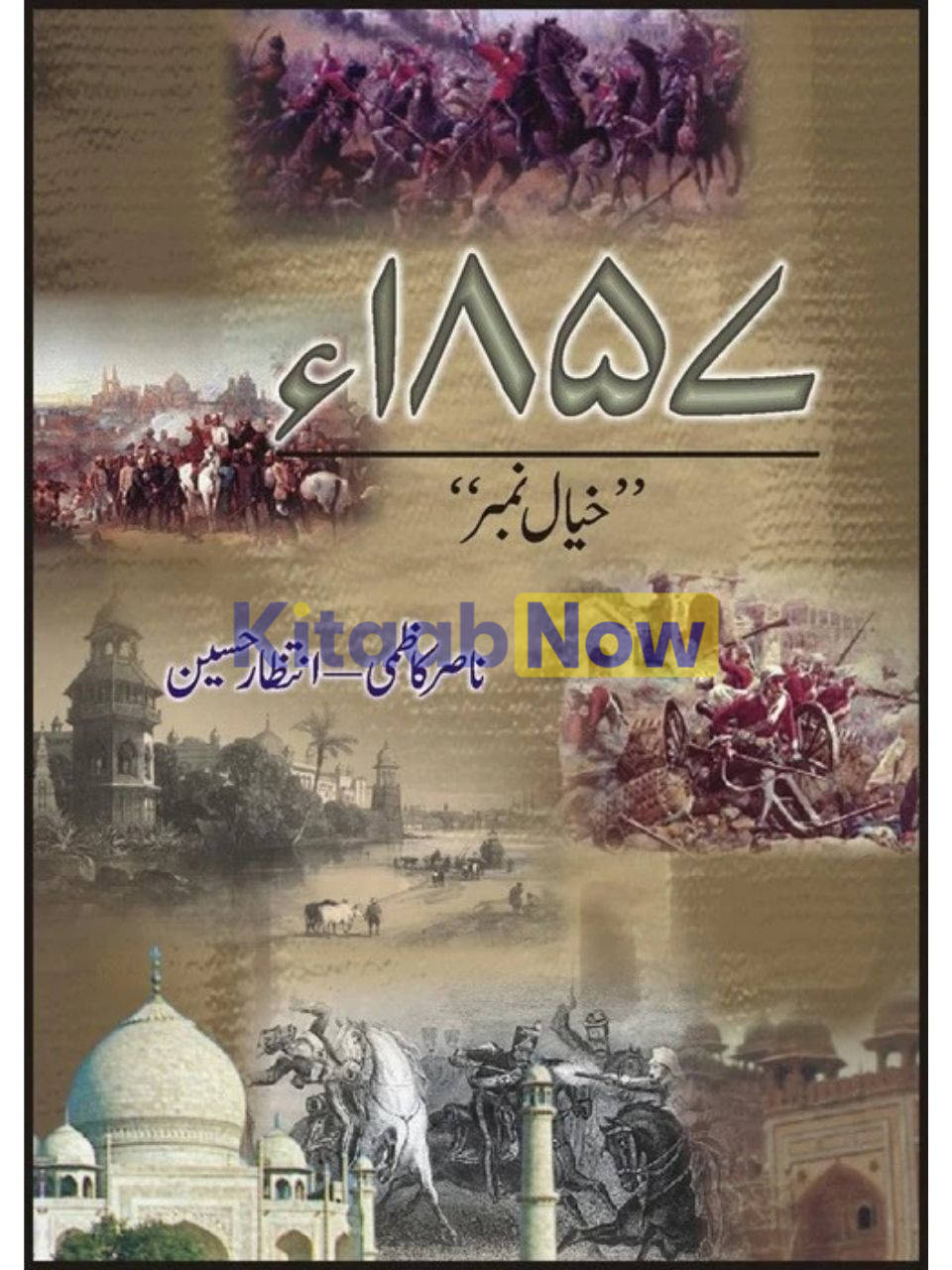
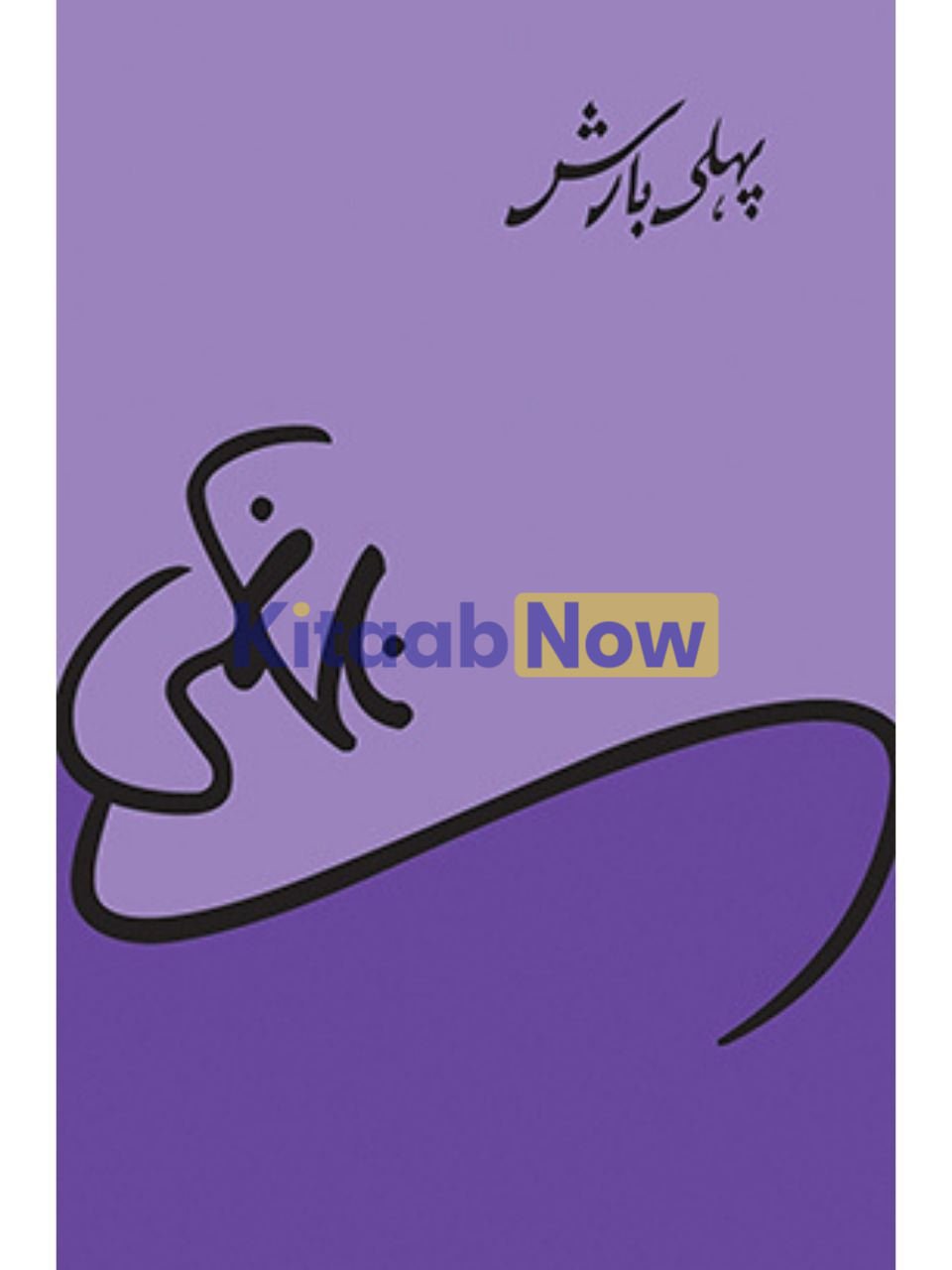
Khayal Number 1857
- Authors: Nasir Kazmi, Intizar Hussain
- ISBN: 9693519221
- Publisher: Sang-e-Meel Publications
- Publication Date: 2007
- Format: Hardback – 336 pages
- Language: Urdu
Description
Authors Biography
Intizar Hussain (21 December 1925 – 2 February 2016) was a Pakistani writer of Urdu novels, short stories, poetry and nonfiction. He is widely recognised as a leading literary figure of Pakistan. He was among the finalists of the Man Booker Prize in 2013. As someone born in Indian Subcontinent who later migrated to Pakistan during 1947 Partition, a perennial theme in Hussain’s works deals with the nostalgia linked with his life in pre-partition era.
He wrote short stories, novels and poetry in Urdu, and also literary columns for Dawn newspaper and Daily Express newspaper. The Seventh Door, Leaves and Basti are among his books that have been translated into English. Among the five novels he wrote – Chaand Gahan (1952), Din Aur Daastaan (1959), Basti (1980), Tazkira (1987), Aage Samandar Hai (1995) – Basti received global praise. His other writings include Hindustan Se Aakhri Khat, Aagay Sumandar Hai, Shehr-e-Afsos, Jataka Tales, Janam Kahanian and Wo Jo Kho Gaye. Aagay Sumandar Hai (Sea is facing you in the front) contrasts the spiraling urban violence of contemporary Karachi with a vision of the lost Islamic realm of al-Andalus in modern Spain. His novel Basti is based on Pakistani history. Among his books, “Basti” and “khali pinjra” have been translated into Persian by Samira Gilani.
Hussain believed that two forces had risen in contemporary Pakistan: women and the mullahs. He also acknowledged his study and the influence of Buddhist texts.
In 2016, Pakistan Academy of Letters (PAL) announced the ‘Intizar Hussain Award’ which would be given to a literary figure every year.
In 2007, Hussain received the Pakistani civil award Sitara-i-Imtiaz (Star of Excellence) by the President of Pakistan. In 2013, he was shortlisted for the Man Booker International Prize after Frances W. Pritchett translated his Urdu novel Basti into English. He received a lifetime achievement award at the Lahore Literary Festival. Newsweek Pakistan called him “Pakistan’s most accomplished living author” in 2014. In September of the same year, Hussain was made an Officer of the Ordre des Arts et des Lettres by the French government. He was also the first ever winner of the prestigious Premchand Fellowship awarded by Sahitya Akademi of India in 2007.
On 2 February 2016 he died at National Hospital, Defence Housing Authority at Lahore on 2:45 p.m., after contracting pneumonia.
Syed Nasir Raza Kazmi, (1925–1972) was a renowned Urdu poet of Pakistan. He was one of the greatest poets of this era, especially in the use of “ista’aaray” and “chhotee beher”.
Kazmi was born on December 8, 1925 at Ambala in British India. He was educated at Ambala, Simla and Lahore. He returned to Ambala in 1945 and started looking after his ancestral land. After the creation of Pakistan in 1947, he came to Lahore. He did some journalistic work with Auraq-e-Nau as an editor and became editor-in-chief of the magazine Humayun in 1952. Later he was associated with Radio Pakistan, Lahore and other literary publications and organizations.
Nasir Kazmi started his poetic life in 1940 by following the style of Akhtar Sherani and wrote romantic poems and sonnets. Later he began writing ghazals under the guidance of Hafeez Hoshyarpuri. He was a great admirer of Mir Taqi Mir and probably the melancholy and “Ehsaas-e-Mehroomi” in his poetry was a direct result of that. His tutor in poetry was Hafeez Hoshyarpuri, who himself used a lot of symbols from nature in his poems.
Additional information
| Weight | 0.580 kg |
|---|
Only logged in customers who have purchased this product may leave a review.
Related Products




Reviews
There are no reviews yet.