
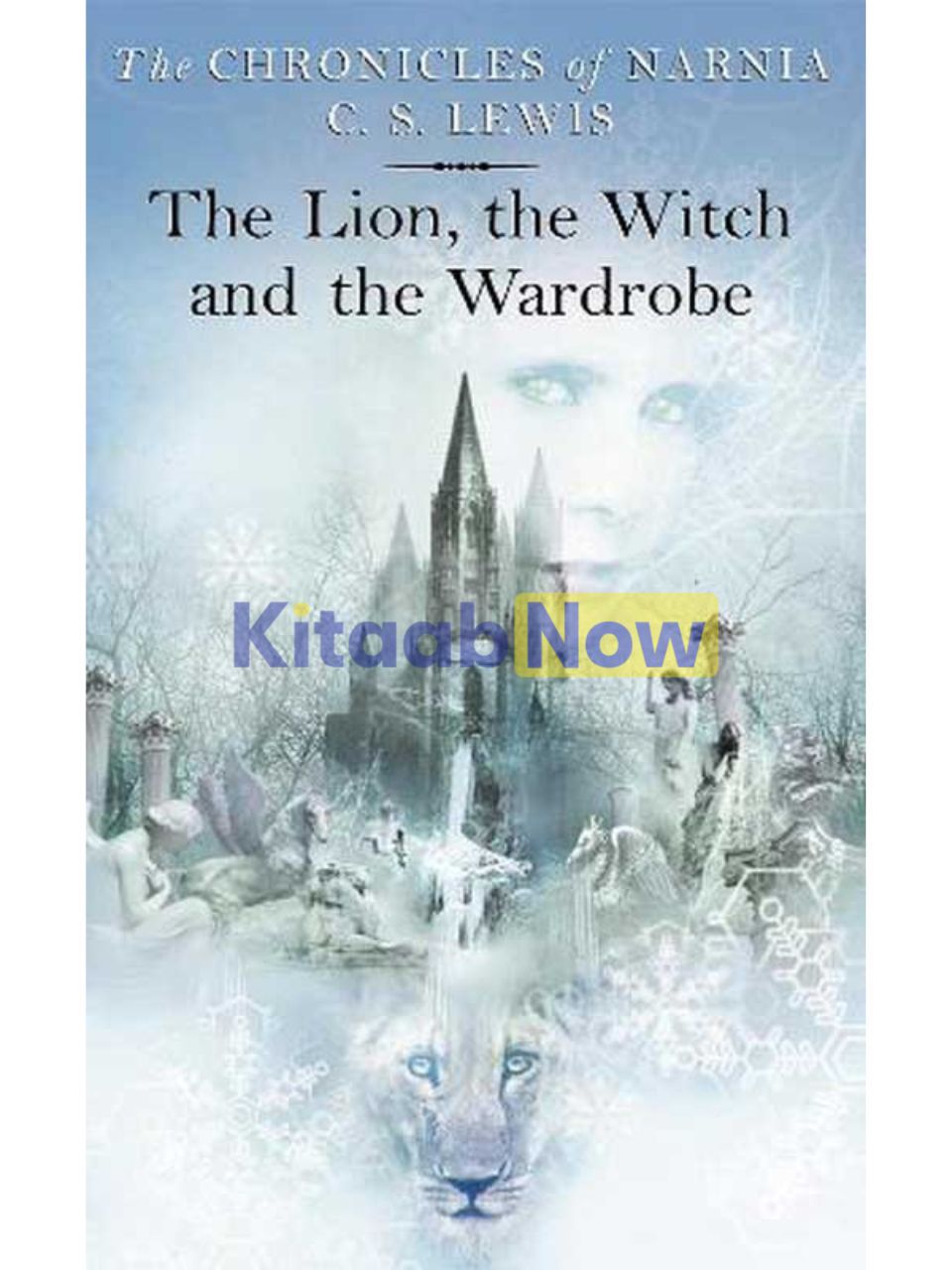
The Chronicles of Narnia Book 2: The Lion, the Witch and the Wardrobe
- Author: C.S. Lewis
- ISBN: 9780007115617
- Publisher: HarperCollins Publishers
- Format: Paperback – 171 pages
- Language: English
Description
Introducing the second book of the newly designed Narnia classics. Perfect for those seeking a contemporary take on the chronicles of Narnia.
Four adventurous siblings—Peter, Susan, Edmund, and Lucy Pevensie— step through a wardrobe door and into the land of Narnia, a land frozen in eternal winter and enslaved by the power of the White Witch. But when almost all hope is lost, the return of the Great Lion, Aslan, signals a great change . . . and a great sacrifice.
The Lion, the Witch and the Wardrobe is the second book in C. S. Lewis’s classic fantasy series, which has been drawing readers of all ages into a magical land with unforgettable characters for over sixty years. This is a stand-alone read, but if you would like to explore more of the Narnian realm, pick up The Horse and His Boy, the third book in The Chronicles of Narnia.
Introducing the second book of the newly designed Narnia classics. Perfect for those seeking a contemporary take on the chronicles of Narnia.
Author Biography
Clive Staples Lewis commonly referred to as C. S. Lewis and known to his friends and family as novelist, academic, medievalist, literary critic, essayist, lay theologian and Christian apologist. He is also known for his fiction, especially The Screwtape Letters, The Chronicles of Narnia. Clive Staples Lewis commonly referred to as C. S. Lewis and known to his friends and family as novelist, academic, medievalist, literary critic, essayist, lay theologian and Christian apologist. He is also known for his fiction, especially The Screwtape Letters, The Chronicles of Narnia and The Space Trilogy. Lewis’s works has been translated into more than 30 languages and have sold millions of copies. The books that make up The Chronicles of Narnia have sold the most and have been popularized on stage, TV, radio.
Clive Staples Lewis (1898-1963) was one of the intellectual giants of the twentieth century and arguably one of the most influential writers of his day. He was a fellow and tutor in English Literature at Oxford University until 1954 when he was unanimously elected to the Chair of Medieval and Renaissance English at Cambridge University, a position he held until his retirement. He died in 1963.
Only logged in customers who have purchased this product may leave a review.
Related Products




Reviews
There are no reviews yet.