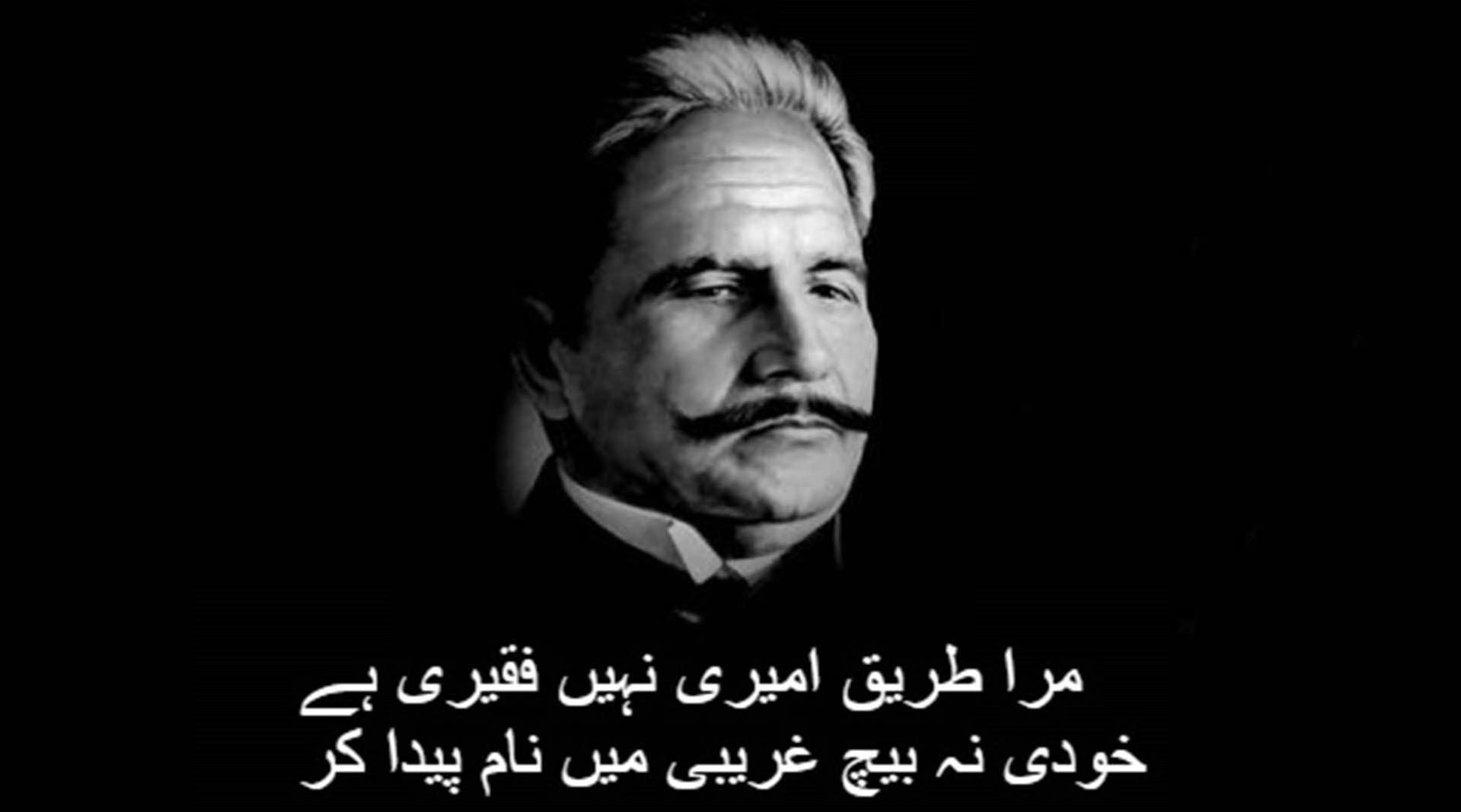
Sir Allama Muhammad Iqbal was one of the most influential Muslim thinkers of the twentieth century, a renowned poet and philosopher. Although his philosophies reflect the influence of Western thinkers such as Al-Ghazali and Rumi and Muslim thinkers such as Nietzsche and Bergson, its roots were rooted in the Qur’an, which Iqbal read with the sensitivity of a poet. Iqbal’s philosophy of a mystic’s insight is called the philosophy of self or selfishness. Rejecting the idea of ’fall’ from Eden or the original sin, Iqbal sees the arrival of human beings on earth as a glorious event, because God had made God his vicegerent on earth. Man is not just an accident in the process of evolution. The universe exists in order to make the appearance and perfection of the self-possible. The purpose of life is the development of the self, which is when man acquires more and more information about the world inside and outside of him. Iqbal’s philosophy is primarily a philosophy of action, and it is primarily concerned with encouraging human beings to strive for the full realization of God-given potential.
Muhammad Iqbal was born in 1877 in Sialkot, India. His ancestors were Kashmiri Brahmins. His forefathers were victims of Sufism, and his father, Noor Muhammad, and his mother, Imam Bibi, both had a reputation for piety. An excellent student, Iqbal achieved many distinctions in his academic career. He passed the Intermediate examination from the Scotch Mission School in Sialkot in 1893 and then transferred to the Government College, Lahore, where he graduated in 1897. In 1899 he received a master’s degree in Arabic. Impressed by Sir Thomas Arnold, a renowned scholar of Islam, when he was in Government College, Iqbal followed his advice and in October 1905 studied at Trinity College, Cambridge, under J.M.E. McTaggart. His doctorate was taken at the University of Munich with a dissertation on the development of the development space in Persia.
On his return from Europe in July 1908, Iqbal became Professor of Philosophy and English Literature at Government College, Lahore, and at the same time began practicing law. He gave up his teaching career in 1911 because he felt he had a message to deliver and could do better if he adopted a law like the independent profession. However, he was always interested in education and was associated with Oriental College, Government College and Islamia College, Lahore and Jamia Millia, Delhi. During the meetings of the Round Table Conferences in London, he worked on various committees related to educational reform. In 1933, Iqbal, along with some others, was invited by the Afghan government to visit the country and advise the government and Kabul University on academic matters.
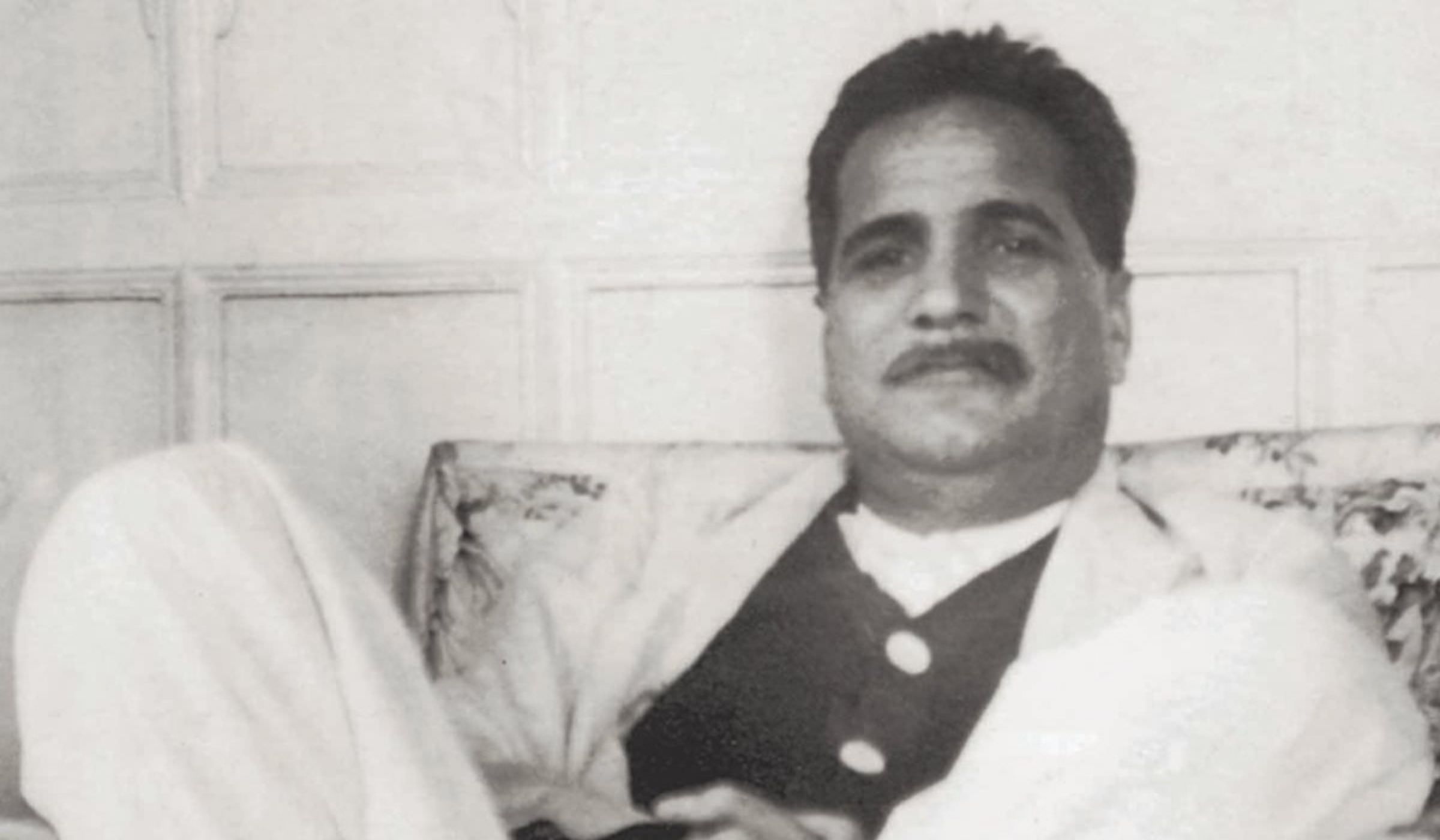
Iqbal also took an interest in the working of the Muslim League, but did not participate much in politics. During 1910-23, he tried to create political consciousness and awaken Indian Muslims. In 1924, Iqbal became a member of the National Liberal League, Lahore. In 1926 he was elected a member of the Punjab Legislative Assembly, and in 1930 he was elected President of the All India Muslim League, where he delivered a historic speech. They attended the second and third roundtable conferences in London, and the results were most disappointing. On January 1, 1923, Iqbal was knighted. His last years were in poor health. After his death in 1938, he was buried near the gate of the Badshahi Mosque in Lahore, where many people attended and millions mourned.
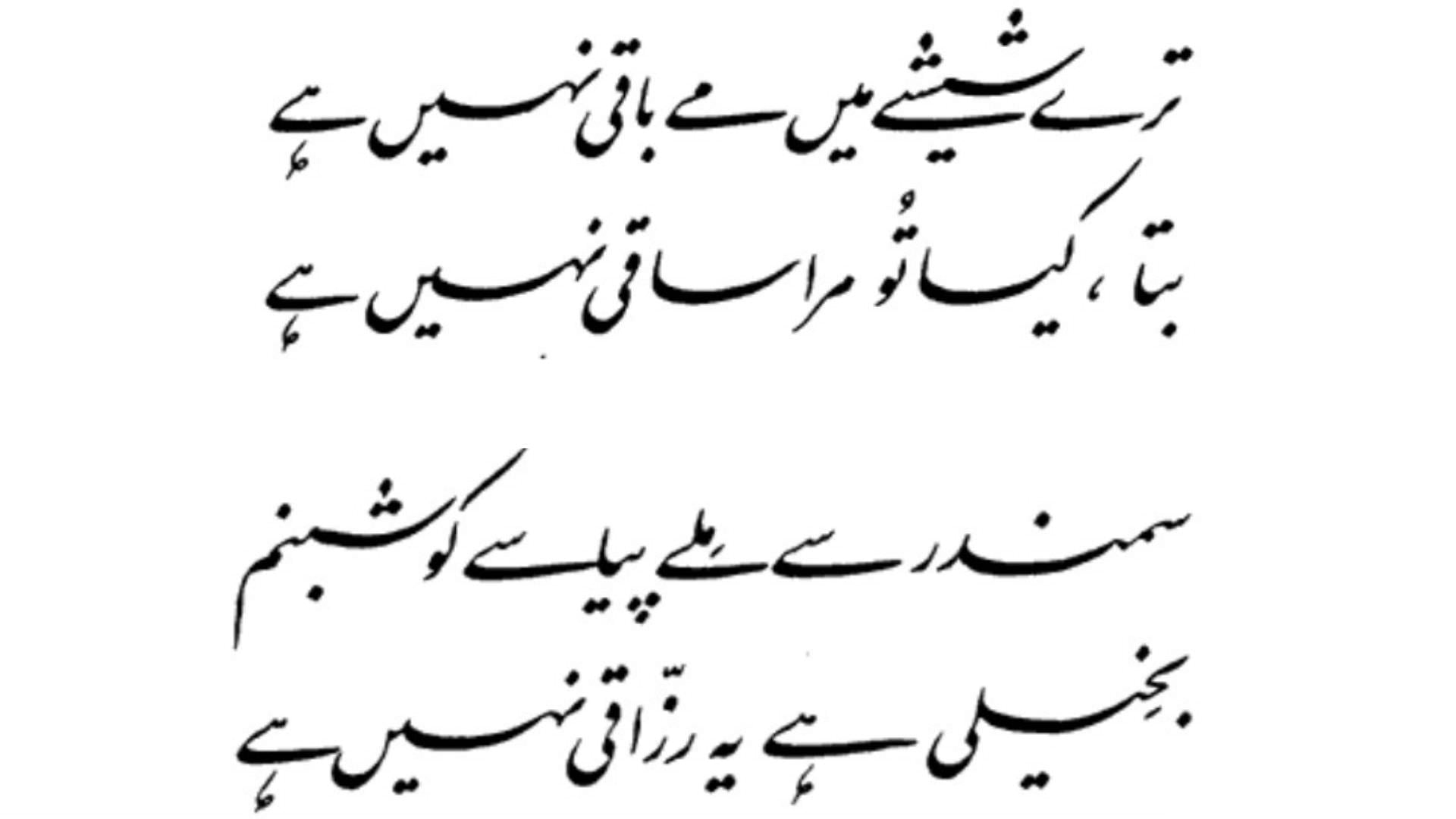
Iqbal started writing poetry at a very young age, and soon after coming to Lahore, he became famous for his participation in poetry symposia. As a young poet, he came under the influence of Mirza Dag Dehlavi, a well-known storyteller of Urdu poetry. One organization for which Iqbal devoted his entire life was the Anjuman-e-Hayat-e-Islami (Society for the Support of Islam). The Association’s annual meetings met the intense emotional need of Indian Muslims and became a national holiday. During these sessions, Iqbal read his poems regularly, and in fact his poems were the main focus for thousands of people, who almost arrived on the occasion of the pilgrimage, to see and hear them. At the Anjuman meeting in April 1911, Iqbal recited his famous ‘Shikwa’ (Complaint), a poem that has such a unique place in Urdu literature that Iqbal’s fame alone can be preserved.
The publication of the Mystery of God in 1915 was an important event. This was followed by Ramzoo Bekhodi (The Mystery of Selflessness), which, in order to deal with the development of the sectarian ego, was followed in 1918 by Payam-e-Mashreq (Message from the East), in 1923, Iqbal’s response to Goethe’s Diwan on the West. (See Goethe, J. W. Owen). Zarb-e-Ajam in 1927 (Persian Psalms) Javed Nam (Tilak of Eternal Journey), in 1932, on Dante’s Divine Comics, presented Iqbal’s excellent theoretical model. Traveler in 1934; Ball-Jibril (Wing of Gabriel) in 1935; Zarb-e-Kaleem (a shock of Moses) (So what should be done, what should the nations of the East do?) In 1936. Armaghan Hijaz (Gift of Haijaz), which includes both Persian and Urdu verses, appeared later in 1938. Along with his poetic work, Iqbal also wrote three works in prose. Economics (the study of economics), the first book on political economy to be published in Urdu, was published in 1903. Iqbal’s doctoral dissertation, Development Talent in Persia, was published in 1908. And his lectures, Reconstruction of Religious Thought in Islam, were first published in 1930. Iqbal also wrote numerous articles in Urdu and English in various magazines and newspapers.
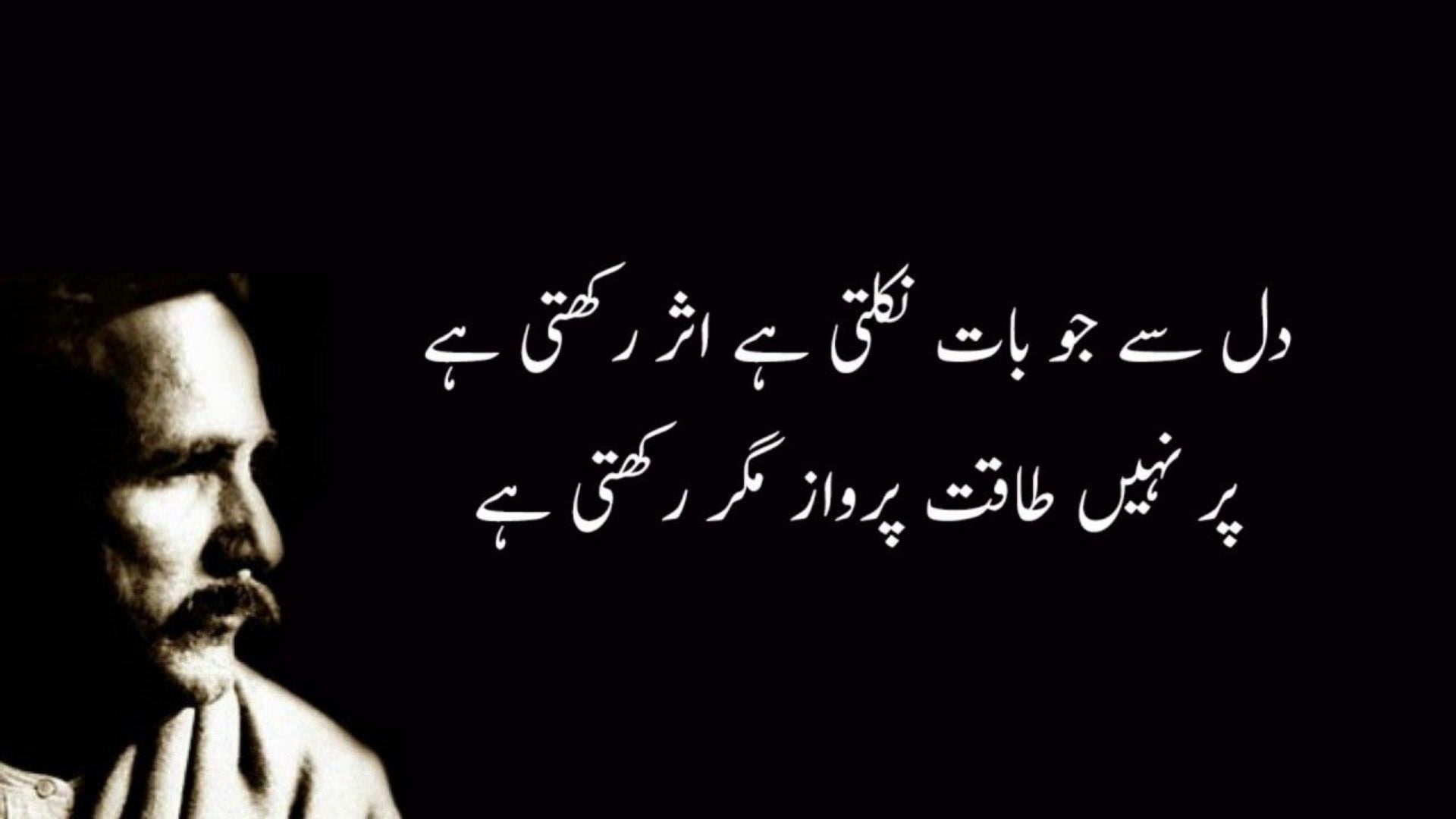
Iqbal’s philosophy is often called the philosophy of the self. To him, the basic reality of human life is the absolute and unchanging consciousness of his own existence. According to Iqbal, the arrival of humanity on earth is a great and glorious event, not an event that indicates human sins and degradation. He said that according to the Qur’an, the earth is the ‘abode’ of humanity and a ‘source of profit’ for it. Iqbal does not think that after God’s creation, man was placed in an extraordinary paradise from which he was expelled for disobeying God. Pointing out that the term ‘Adam’ in the Qur’an serves as a symbol of selfish humanity rather than the name of an individual, Iqbal substituted ‘fall’ for ‘natural’ hunger of ‘hunger’.
The consciousness of the free soul is described as going, which is capable of doubt and disobedience” (Iqbal 1930: 85). According to Iqbal, Adam’s story is not the story of the ‘first man’ but the moral experience, in the symbolic form of every human being. After the Qur’anic teaching that although man has come from the earth, the Spirit of God has breathed into him, Iqbal holds on the one hand that man is created as God, and on the other hand that he is made of matter. Unlike donors, Iqbal sees no irreparable gap between matter and spirit, nor does he see humans as merely an event or accident in this great process of evolution. On the contrary, the whole universe exists to serve as the basis and foundation for the emergence and perfection of the ego. The evolution of humanity is not over, because the destiny of human beings is ‘beyond the stars’.
The purpose of life is self-development. In order for them to achieve maximum progress, it is necessary for human beings to acquire knowledge. Following the Qur’an, Iqbal maintains that there are two sources of knowledge: the inner consciousness of human beings and the outer world of nature. Starting with the insight of the self, man becomes acquainted with the ‘other’ who is competing with himself, not with himself, which provides him with a constant challenge. Nature, however, does not compete with God in the same way as it does with humanity, because it is a stage of God’s consciousness. God has not existed since God understood the whole universe, but beyond that because God is not the same as the created world. Life is individual. There is a gradually rising scale of selfness running from the almost inert to God who is the Ultimate Ego. God is not immobile nor is the universe a fixed product; God is constantly creative and dynamic and the process of Creation still goes on. The Qur’anic saying, ‘Toward God is your limit’ (Surah 53: 42), gives Iqbal an infinite worldview, and he applies it to every aspect of the life of humanity and the universe.
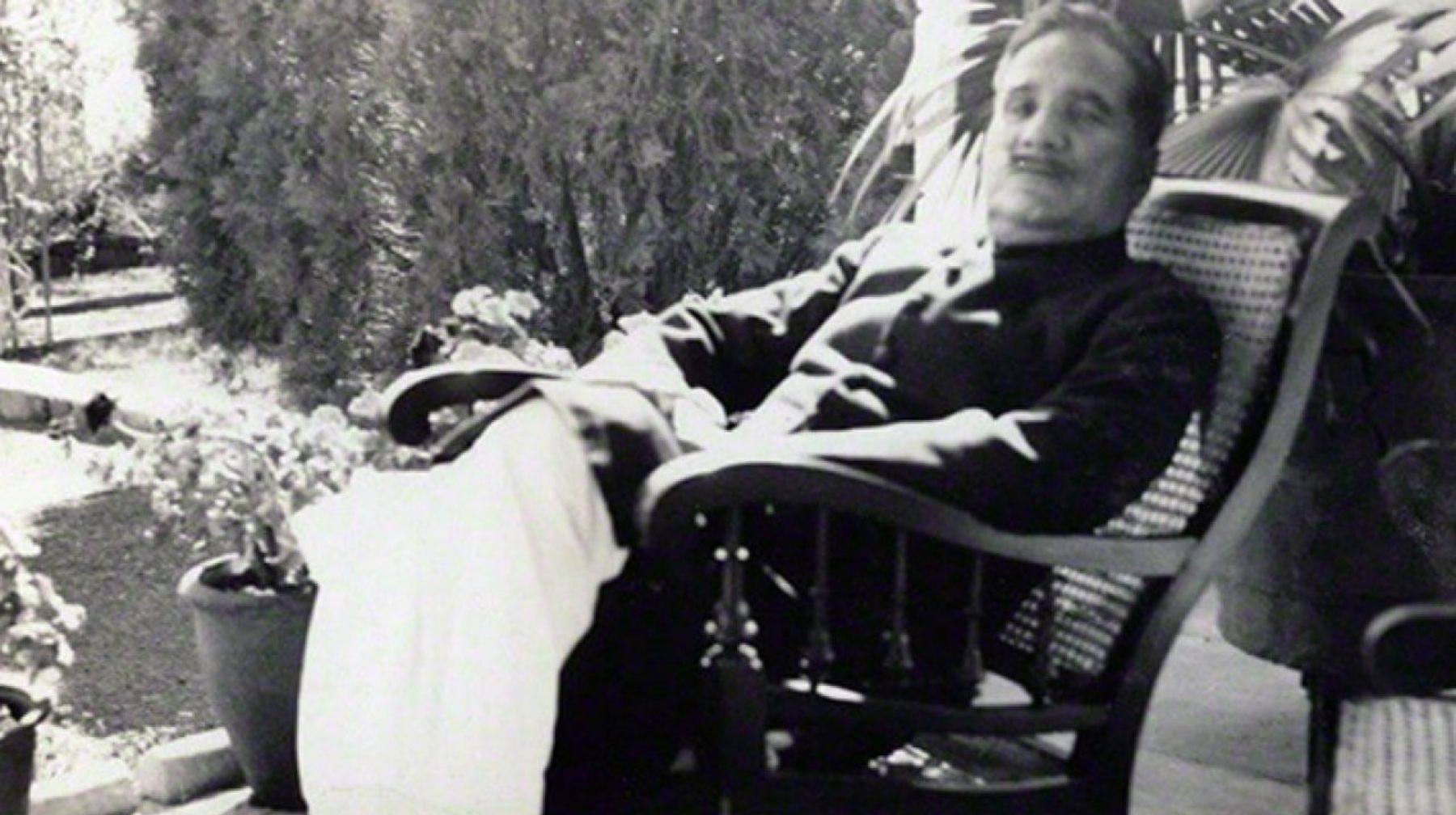
Iqbal distinguishes between two aspects of self, effective and appreciative. The effective self is that which belongs to the natural world, and that is partly self-created. It captures the successor of impressions and presents itself as a special series, and as a result is remarkable. The appreciative nafs is a deep nafs, of which only one becomes aware in the moments of deep meditation when the effective nafs diminishes. The unity of the appreciative self is that in it, every experience is completely encompassed. The multiplicity of its elements is the opposite of the effective self. Change and movement exist, but this change and movement is illogical; Their elements interfere with each other and are in a completely non-serial role.
According to the two aspects of the self, there are two levels of time, serial time and pure time. Serial time encompasses or clock time, while pure duration is a constant flow in which all things live and move and exist. As man completes his arrogance, he abandons the perversion of serial time and attains the scale of eternity. Iqbal strongly believes that man is the creator of his own destiny and the key to destiny lies in one’s character. He consistently denied the Qur’anic verse, “Surely God does not change the condition of a people unless they change what is within them” (Surah 13:12). The mission of humanity on earth is not only to achieve maximum freedom but also to achieve eternity, which, according to Iqbal, “rightly is not ours.” It has to be achieved through personal effort. Man is only his candidate.
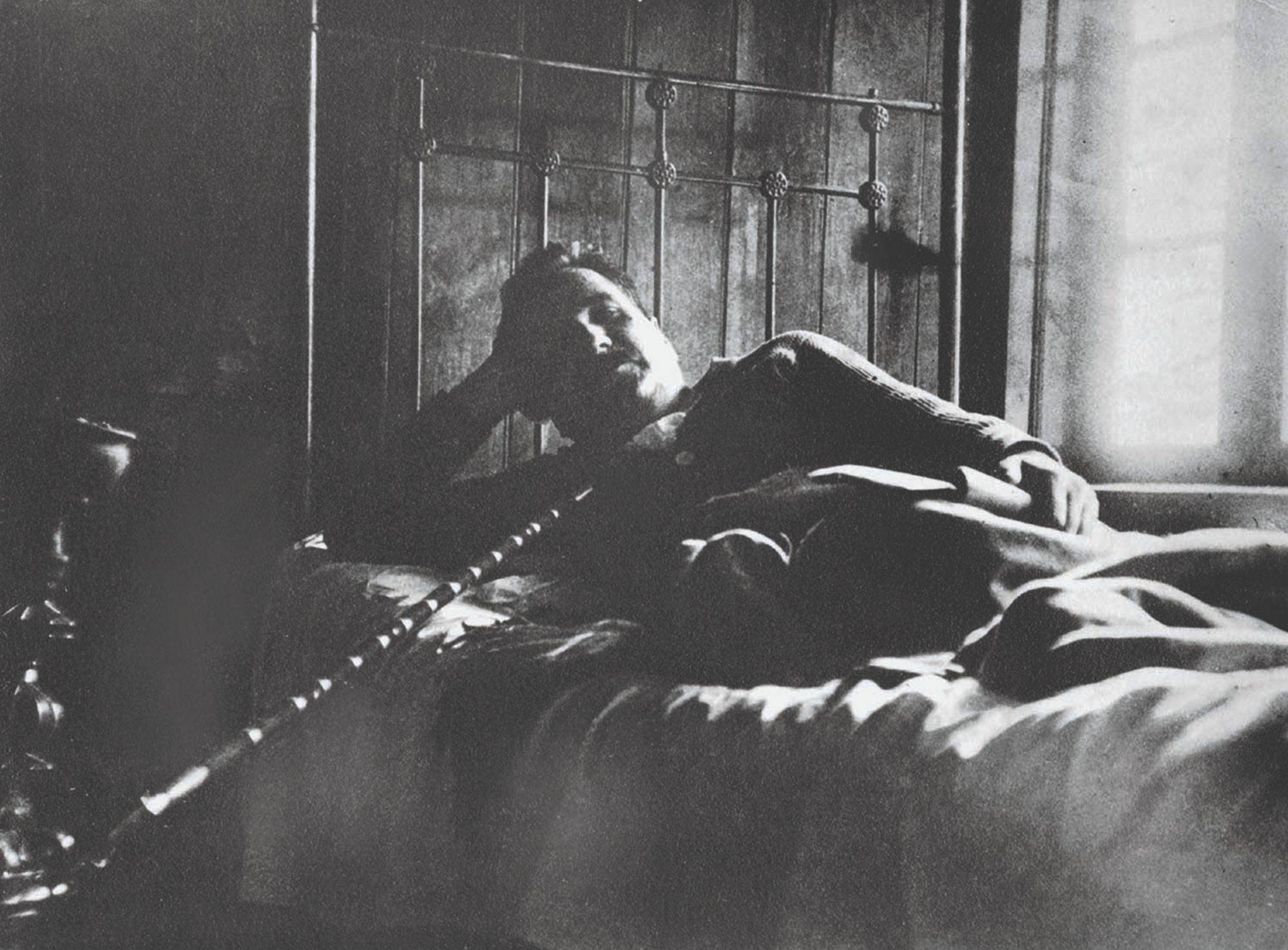
Iqbal worked to unite faith and knowledge, love and reason, heart and mind. Once upon a time, in the case of an author, once very passionate and provocative, there is bound to be considerable controversy in the assessment of the measure of his success. Some consider Iqbal’s thought to be primarily selective, while others see it as passionate and genuine. But of course. It is true that if any thinker has succeeded in building a bridge between East and West – whatever it may be – it is Iqbal. The most important question to be asked about Iqbal’s work as a philosopher is from what point of view? Inevitably, the work of every philosopher must be put to the test of harmony and consistency. Overall, Iqbal’s philosophy sustains this test. Like any other philosopher, he has first principles which he himself knows clearly, and which is why he does not defend them. Like other philosophers, there are times and places where he is not very clear or ready to commit himself. Many writers have also noticed numerous contradictions (which appear in certain parts of their thought, usually in its social and political philosophy) and disappear when viewed in the broader context of their total philosophy.
KitaabNow offers a vast collection of writers under Sang-e-Meel Publications and Khawaja Hameed Yazdaani.
Share