

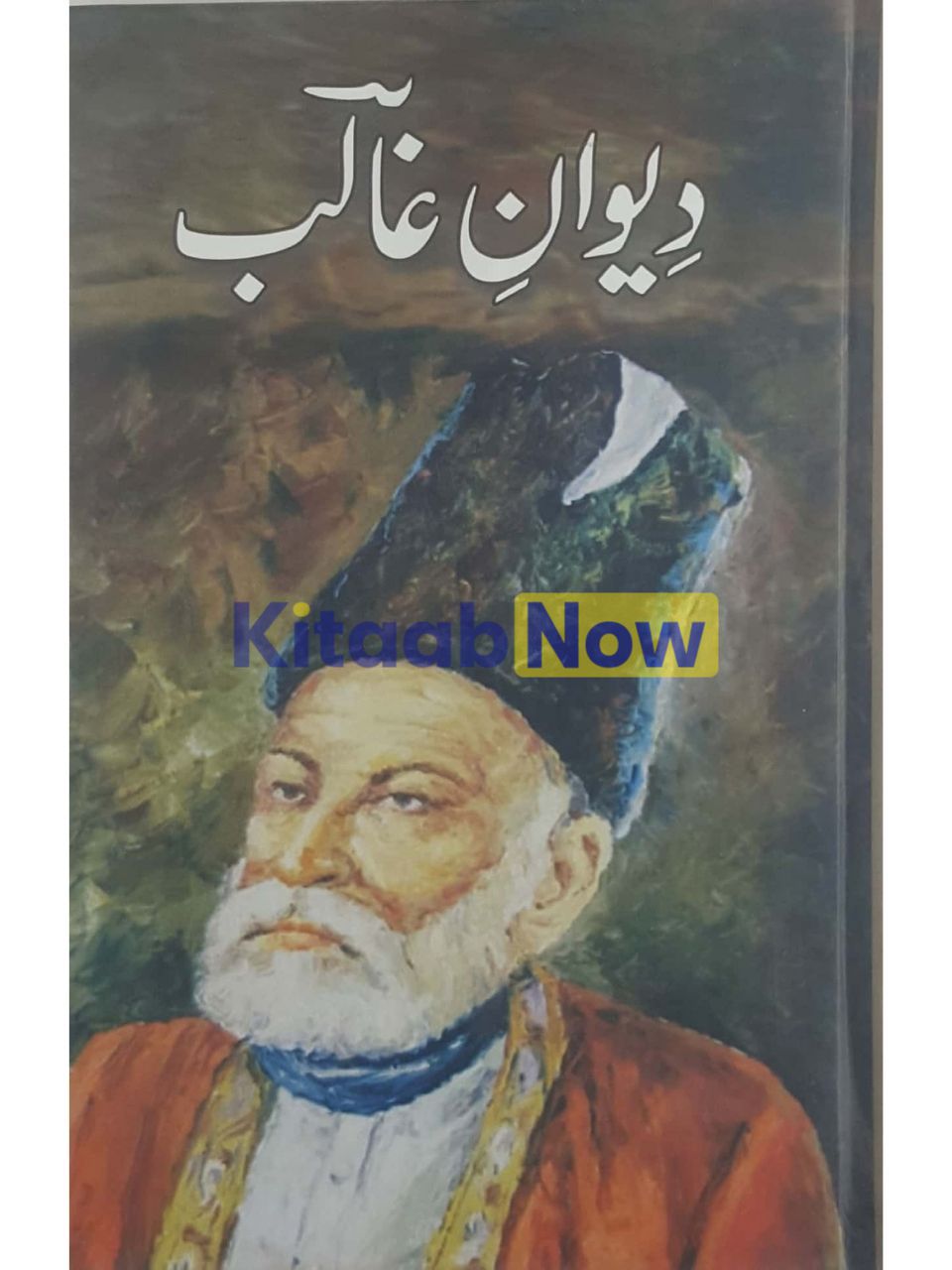
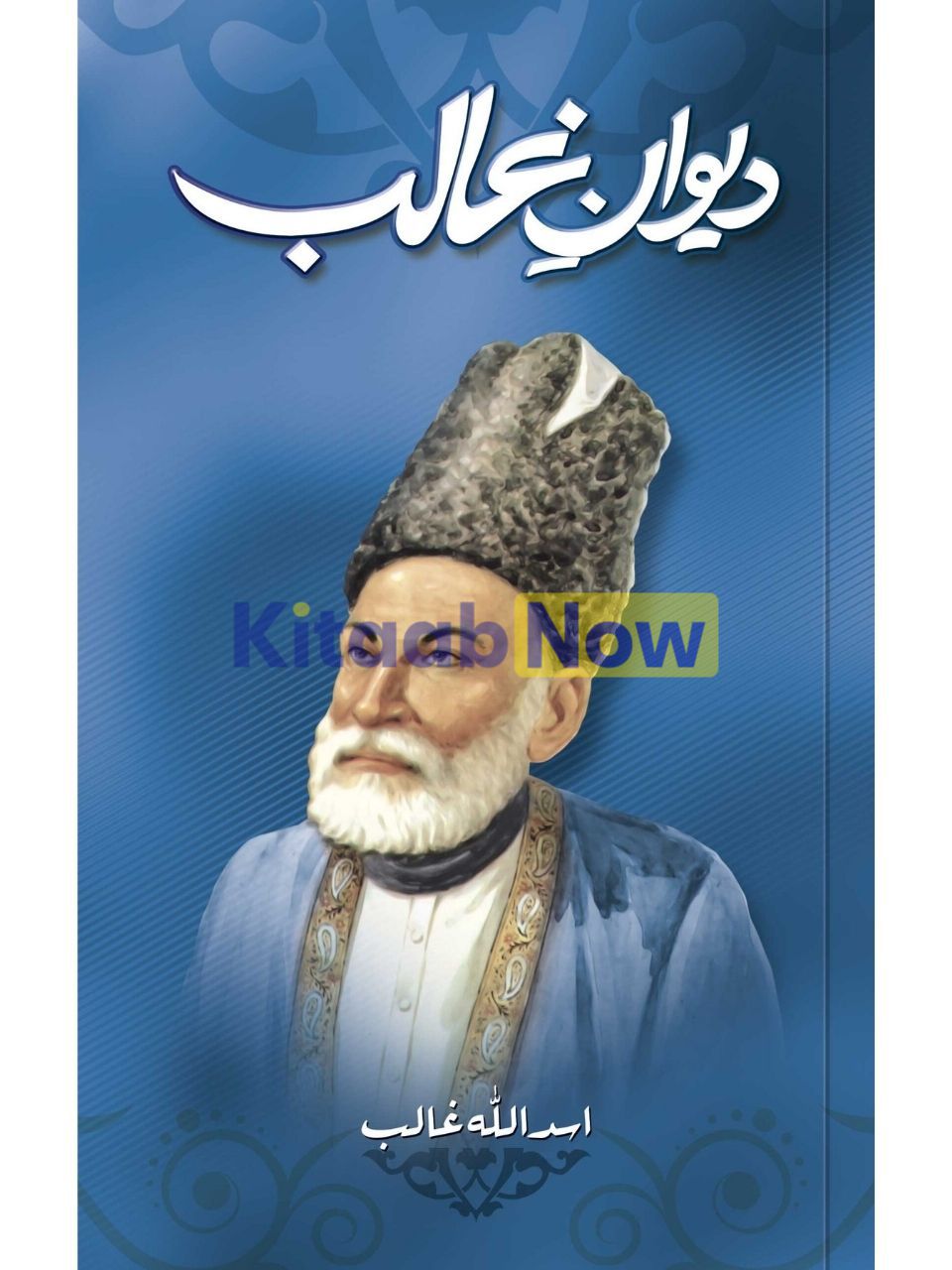
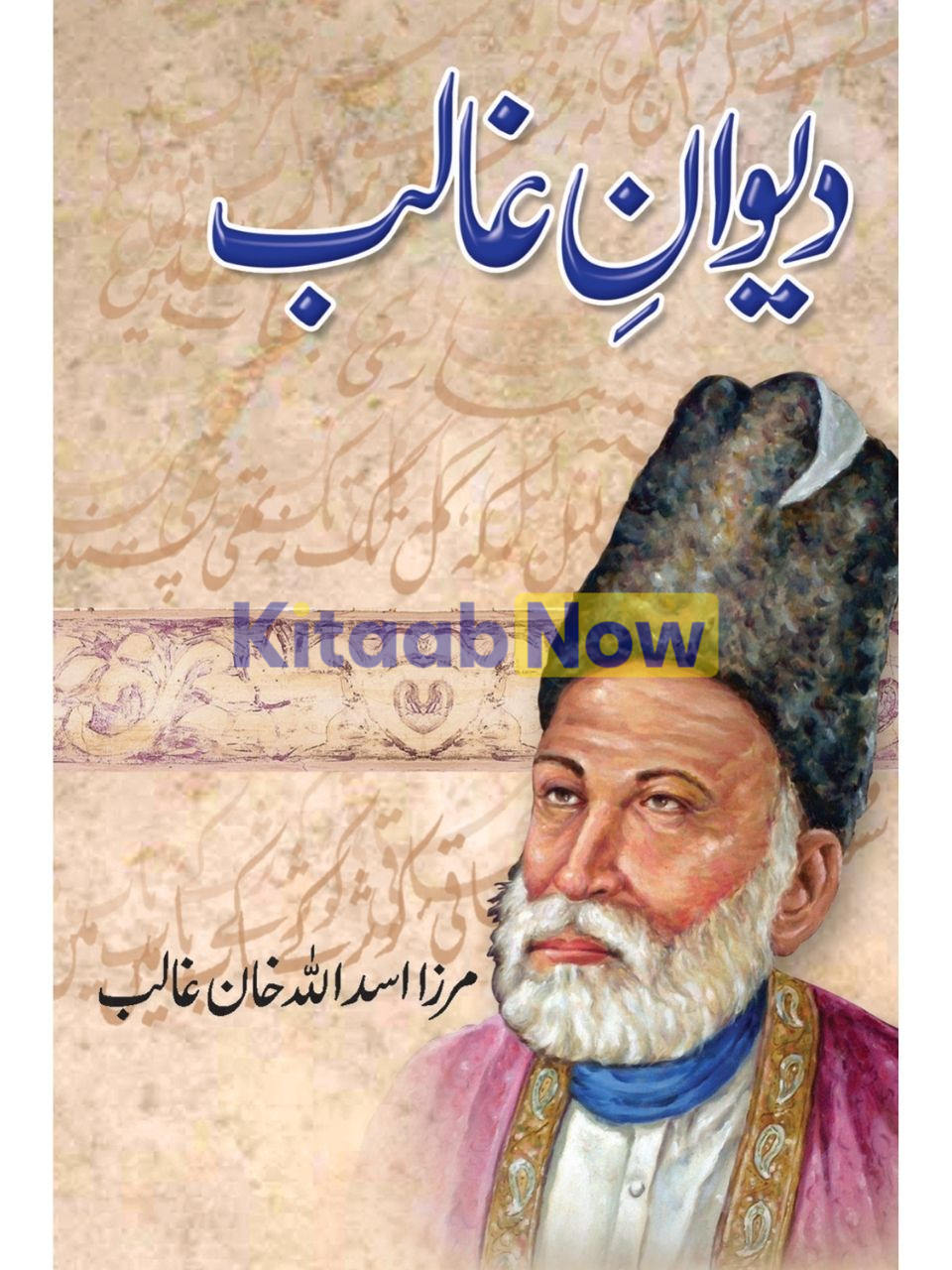
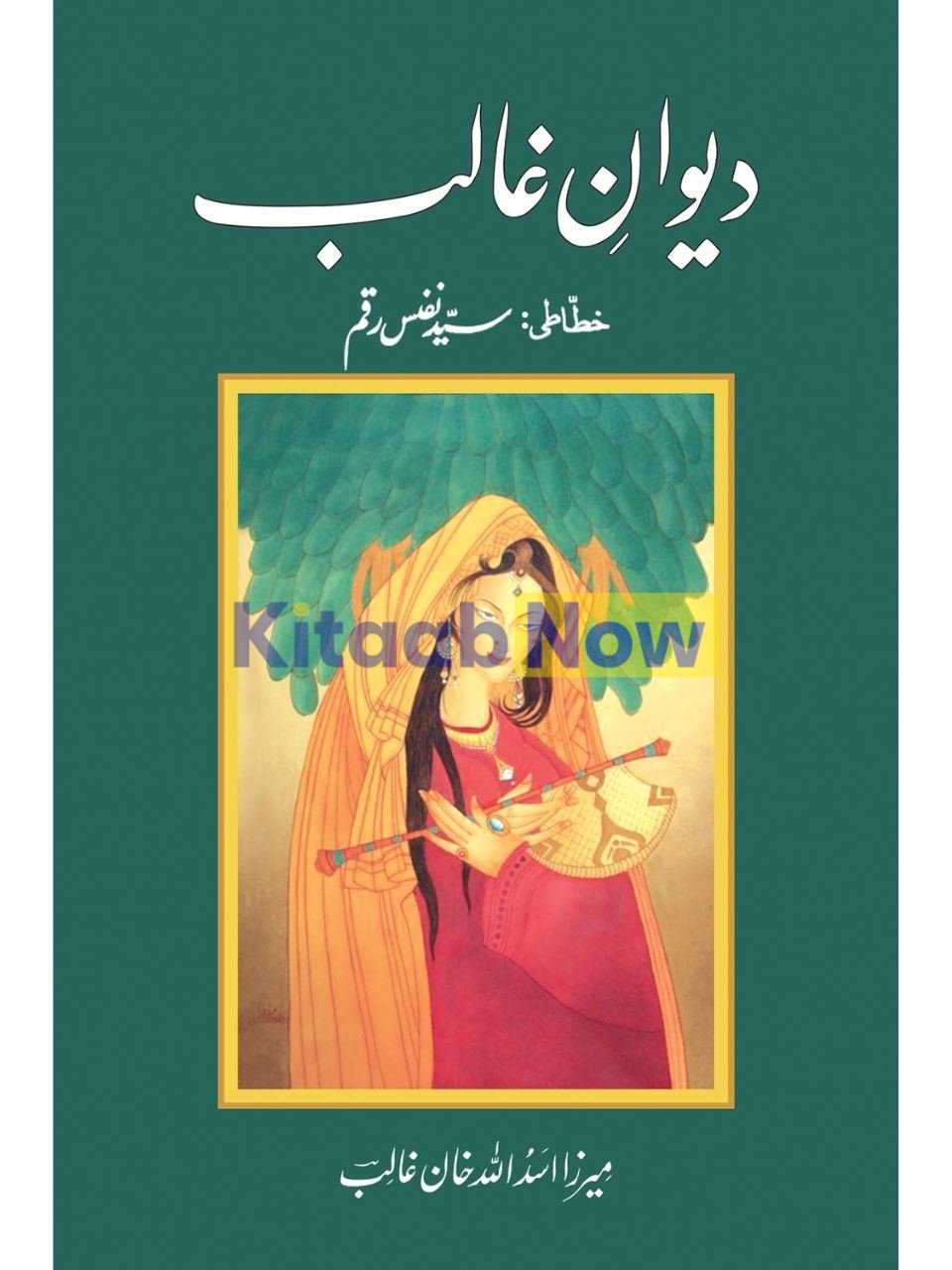
Deewan-e-Ghalib
- Author: Mirza Asadullah Khan Ghalib
- Publisher: Rubi Publications
- Format: Hardback
- Language: Urdu
Description
مرزا اسد اللہ خان غالب وہ نام ہے جس کےتعارف کی چنداں ضرورت نہیں۔کیوں کہ اگر ہم یہ کہیں کہ غالب اردو زبان کا سب سے بڑا شاعر ہے تو بعید نہیں۔ غالب اگر چہ بنیادی طور پر فارسی زبان کا شاعر تھا اور اس کو اپنی فارسی دانی پر ناز بھی رہا مگر جس دور میں غالب فارسی میں نغمہ سرائی کر رہا تھا اس دور میں فارسی کی محفلیں اجڑ چکی تھیں اور برائے نام ایک دو شمعیں ٹمٹما رہی تھیں۔ اسی لئے بہت جلد ہی غالب کو اس بات کی سمجھ آگئی کہ اب وہ بیدل کی طرح مشکل الفاظ میں شاعری نہیں کر سکتا کیوں کہ اب اس کے سمجھنے والے نہیں رہے۔ اسی لئے اس نے سہل نگاری کی طرف توجہ کی مگر پھر ان کو محسوس ہوا کہ فارسی زبان میں ان کو وہ عز و احترام نہیں جس کے وہ حقدار ہیں اس لئے انہوں نے اردو زبان میں شاعری شروع کر دی۔اول اول فارسی مشق کی وجہ سے اردو شاعری میں فارسی کا غلبہ رہا اور سخت گوئی کی طرف مائل نظر آئے۔مگر آخر میں انہوں نے بہت ہی آسان اردو زبان میں شاعری کی اور یہی شاعری ان کی شہرت و مقام بالا کے لئے سبب بنی اور اس نے ان کو پوری دنیا میں شہرت دلائی۔ یہ دیوان ان کی اردو شاعری پر مبنی ہے جس میں 200 سے زیادہ غزلیں اور قصیدے شامل ہیں۔ غزلیات غالب کو بہت سے نغمہ سنجوں نے اپنے اپنے انداز میں گایا ہے جو یقینا دل کو بھاتا ہے۔ غالب کو پڑھنے والے ااس سے فائدہ اٹھا سکتے ہیں۔
Author Biography
Mirza Asadullah Khan Ghalib (1797–1869), widely known by his pen name Ghalib, was the preeminent classical Urdu and Persian poet of the late Mughal era. Born in Agra to a noble family of Seljuqid Turkic descent, he was orphaned at a young age and raised by his uncle before relocating to Delhi following his marriage at age thirteen. Ghalib witnessed the painful eclipse of the Mughal Empire and the turbulent rise of British colonial rule, particularly the tragic chaos of the 1857 Rebellion. These political upheavals, coupled with acute lifelong financial struggles and the profound grief of losing all seven of his children in their infancy, deeply shaped the melancholy and introspective core of his literary works.
Despite facing constant personal adversity, Ghalib revolutionized South Asian literature by infusing the traditional ghazal form with deep philosophical, mystical, and existential speculation. Rather than limiting his verse to conventional themes of romantic pining, he used poetry to explore the vast complexities of human consciousness, suffering, and the nature of existence itself. Beyond his poetic masterpiece, the Divan-e-Ghalib, he completely transformed Urdu prose by introducing an informal, witty, and deeply conversational style in his personal letters. Today, his unmatched linguistic innovation and emotional realism cement him as one of the most foundational, universally revered, and frequently quoted figures in the history of the Urdu language.
Only logged in customers who have purchased this product may leave a review.
Related Products











Reviews
There are no reviews yet.